
SEO is a set of practices that helps your website appear on search engine results pages when people search for products, services, or information you offer.
Search engine optimization makes the web pages understandable to the search engines and also helps visitors to find the best results faster.
Remember, “SEO is not a strategy that you fix one time and then forget it forever.”
Your website changes, Google changes its algorithms & your competitors also make changes to their website. Your potential customers also change the way they search. A web page that works well today may lose its traffic later if it is not updated on time, checked regularly, and improved. That is why continuous SEO maintenance matters.
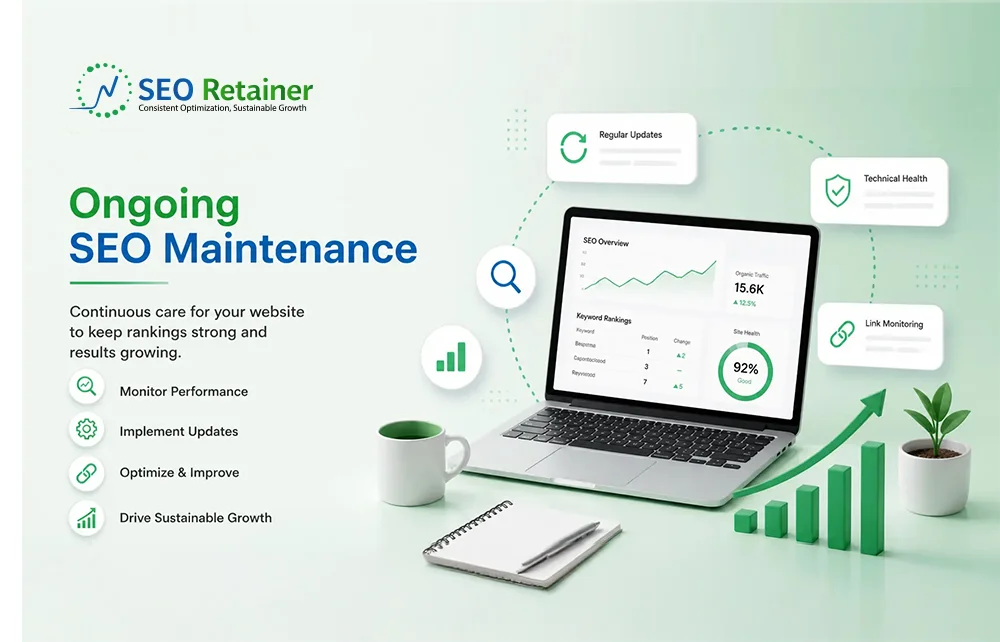
Continuous SEO maintenance is the ongoing process of activities to maintain the health of your website. This consists of monitoring technical problems, refreshing existing content, monitoring ranks, overseeing traffic, improving links and ensuring your website remains aligned with users’ needs.
If you ignore the SEO maintenance,
Your sites:
- Rankings can slowly drop
- Traffic can fall
- Old pages can stop bringing leads
As well as:
- Broken links
- slow pages
- crawl issues
- outdated content
can quietly hurt your website. Most of the business owners only notice the problem after the damage has already started.
What Is Ongoing SEO Maintenance?
Ongoing SEO maintenance is the regular, structured & recurring set of tasks that keep a website in good standing with search engines and the people who use them. It’s a consistent effort across the three areas below, and an SEO retainer service manages these ongoing maintenance and improvement processes.
Technical Health: The first one is technical health or technical SEO. This includes crawlability indexing structure, speed of loading, mobile-friendly optimization, security issues and handling errors. They make sure your site loads fast, works great on mobile, and doesn’t have dead links, 404 pages which may create annoyance to visitors and confusion for Google’s crawler.
On-page SEO: The second is completely about content. That means you should refresh your older posts, fill in gaps, and confirm meta title, meta description, and alter texts of image, etc to stay accurate on the site and genuinely meaningful.
Link building: The third is increasing the authority of your website. It is called domain rating (DR) or domain authority (DA). also includes the links, reviews, and signals from outside your site that tell search engines your brand is trustworthy.
None of the above tasks is rocket science. But the most important thing is to execute them regularly. Because consistency is the key to holding your ranking on search engines.
Google provides an SEO Starter Guide that explains SEO is about improving your site’s presence in search engine result pages, and SEO is not a one-time thing; that is why SEO maintenance is important if you want stable, long-term results.
Does Your Company Need Ongoing SEO Maintenance? Why It Matters
Yes, your company needs ongoing SEO Maintenance because it’s essential for sustainable ranking. It also improves organic traffic and adapts to regular updates of Google’s algorithm. Ongoing SEO maintenance keeps your website secure, improves user experience(UX), and makes sure content remains relevant and competitive. Without regular updates, your rankings can drop, traffic goes down, and it directly affects your revenue.
Organic search matters for most of the companies because it brings 53.3% traffic, and top-ranked sites gets 27% clicks of that organic traffic. By position ten, that number drops below 2.5%. Those are not small differences. Even if your webpage ranks at number 10 position on the first page, it gets 2.5% of clicks, and you can’t ignore these differences.
1. Search Engine Algorithm Updates
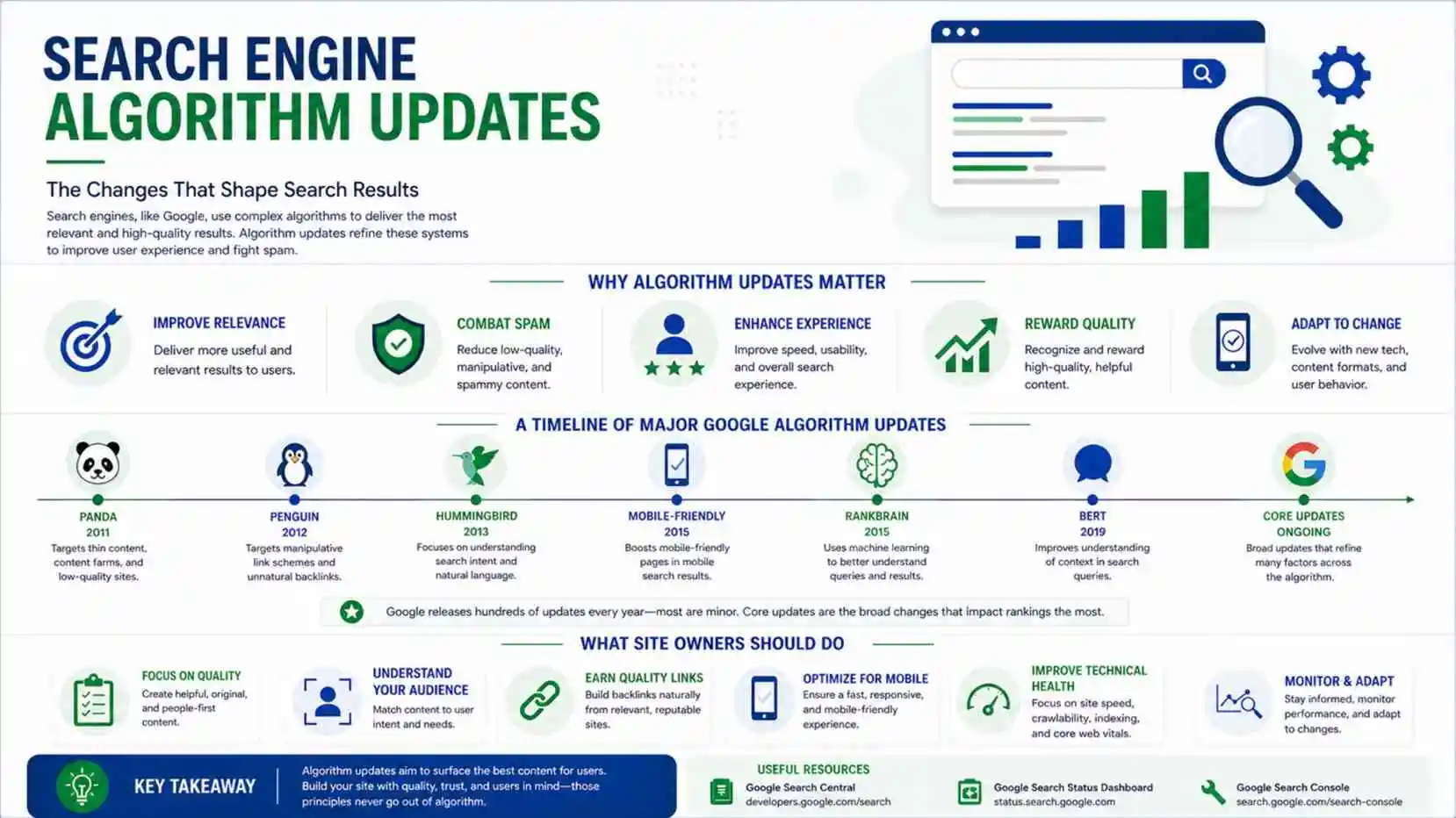
Google changes its ranking system or algorithm multiple times every year. Those changes are called tweaks and most tweaks are invisible, but a handful each year are significant enough to shift entire industries overnight. Some sites wake up to 30% more traffic, others drop their ranks with no warning.
These bigger updates tend to reward sites that are already doing the basics right,
such as:
- fast pages
- trustworthy content
- clean link profiles
Sites with neglected tech, thin content, or sketchy backlinks often pay a price. So, regular maintenance means you are not scrambling after an update to figure out what broke. You already know your site is in decent shape.
2. Competitor Activity
When you are busy with your business development, your competitors are doing SEO maintenance. They are making improvements such as adding new pages with updated information, getting new links, and updating old pages. Search results are a zero-sum game; if you win, they lose, if they win, you lose.
Ongoing SEO means you are watching what moves in your space. You can catch gaps before competitors do. You can easily keep your pages stronger, more comprehensive, and more updated with ongoing SEO maintenance.
3. Content Freshness
A post about “the best project management tools” from 2021 is probably recommending software that has since changed pricing, rebranded, or shut down. Most importantly, Google notices this and users notice it faster. Fresh content with updated stats, current examples, & new sections that reflect how people search today to perform better and earn more trust.
Old pages also accumulate silent damage, such as links rot, Images break, and facts go stale. A content refresh is not just good for rankings, but it is good for your credibility as well.
4. Technical Health
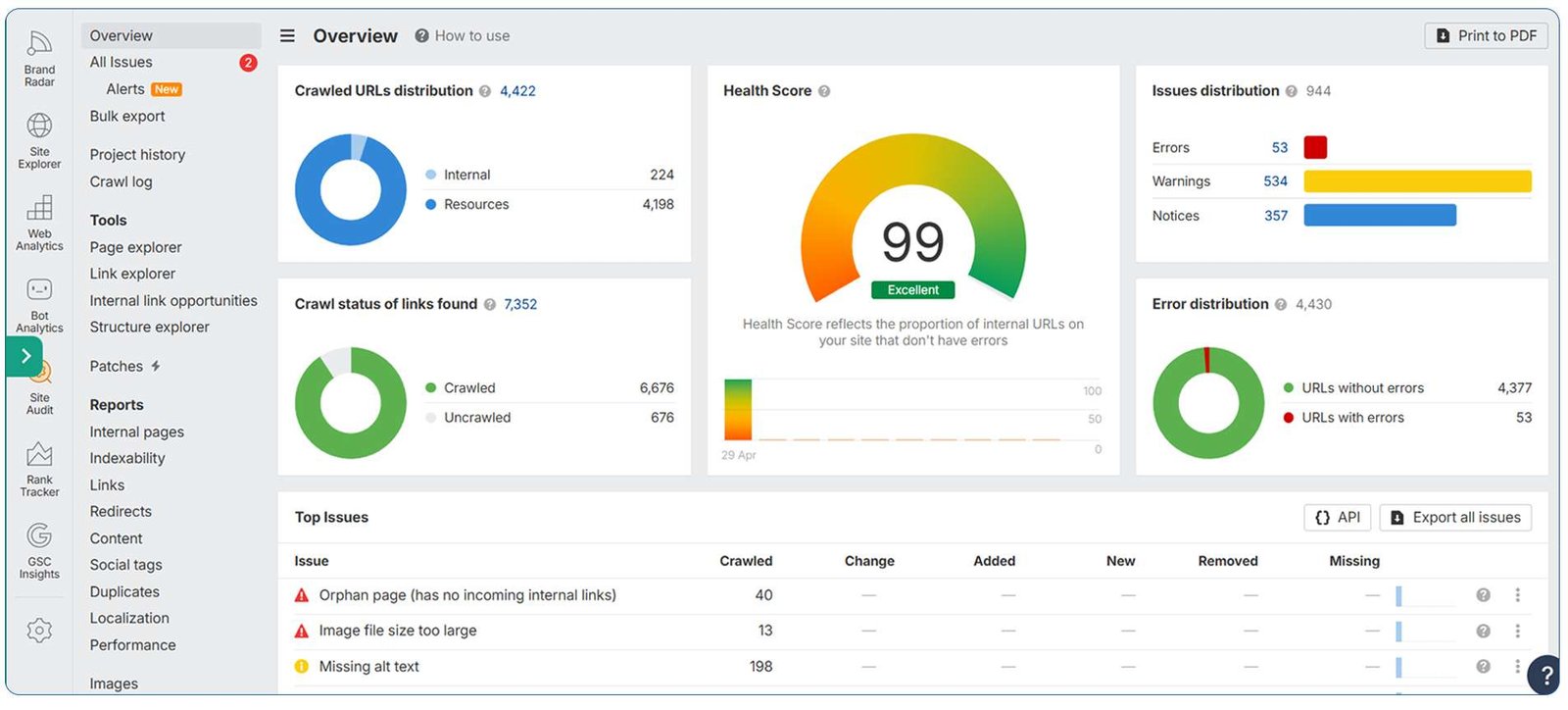
Websites degrade over time in ways that are not always clear. Sometimes a plugin update can break your contact form silently, or your host can have a rough week with page speeds. A new writer can publish a page with no title tag. None of these is dangerous alone but together, they are very dangerous for your site’s health.
If a webpage takes more than 3 seconds to load, most of the mobile users leave before it even finishes the movement of those circular progress bars. This loading speed directly affects rankings. Regular technical checks are how you catch these issues while they are still cheap to fix.
5. Changing User Behavior and Expectations
10 years ago, very few people searched with full questions but now, queries like “what is the best way to hire an ongoing SEO maintenance service provider” are completely normal. As well as voice search and AI use have grown. Almost 71% mobile users use Google searches, and they expect pages to load instantly, scan easily, and answer their questions without making them work for it.
If your site design and structures look like a site from 10 to 15 years ago, then people will think you are not active or not running it anymore. So eventually they will leave. Google sees that bounce and adjusts accordingly. Staying updated with user habits is not optional if you want to keep your rankings.
Ongoing SEO Maintenance Checklist for Long-Term Success
Good SEO maintenance is not something you do randomly. It requires following a proper plan or strategy. Here is what that plan actually looks like, separated into the four major areas that need regular attention.
1. Technical SEO Monitoring
Technical SEO Monitoring is the ongoing tracking and auditing of a website’s technical health. It refers to a set of practices to check whether search engines are able to crawl, index, and rank a website. This includes technical aspects such as site speed, broken links, crawl errors, structured data, redirects, & HTTPS security.
Monitoring is necessary in order to prevent technical problems from harming organic search rankings and traffic. Technical SEO is the unseen foundation that everything else stands on. Great content can not protect you if your technical SEO is broken.
Site Speed
Not many people realize how important speed really is. Google ranks pages according to Core Web Vitals, which include three measures of how quickly your page appears on screen.
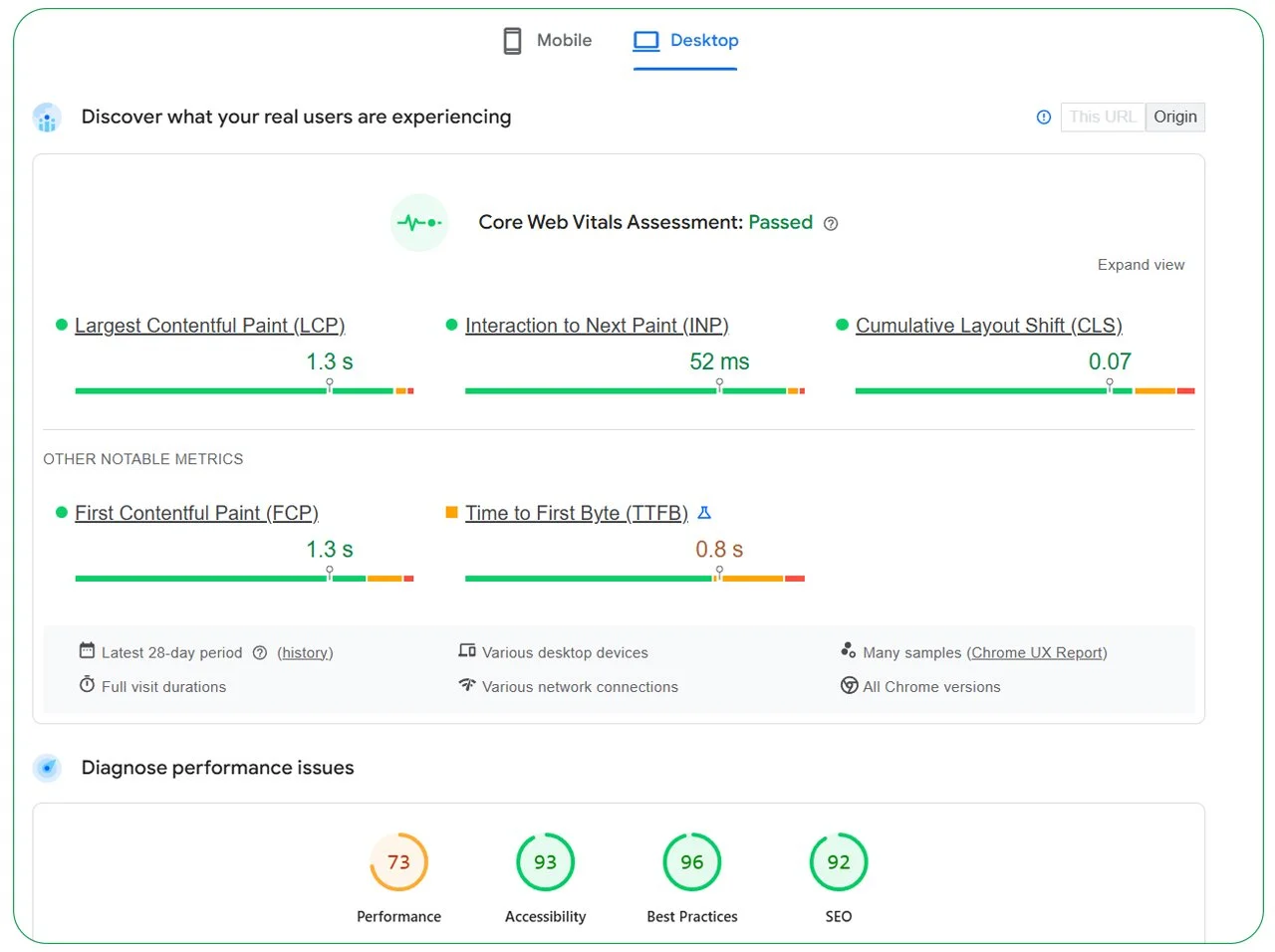
- Largest Contentful Paint (LCP): LCP stands for largest contentful paint, it’s a core Web Vital metric, and this is the unit that measures how much time your website is taking to load any content, like images, video, or blog text. Any of the content on your website should not take more than 2.5 seconds; if it does, then you have something serious to work on. Compress oversized images to WebP and specify image size for best output.
- Interaction to Next Paint (INP): INP stands for Interaction to Next Paint, and it’s also a core Web Vitals metric that measures the first interaction with a visitor. More clearly, when you, as a user, click a button or any option on a website, and right then, how much time the website takes to respond is called INP. If the INP time is high, then you can check your sites’ bloated JavaScript files because they are the most common reason for this issue.
- Cumulative Layout Shift (CLS): Cumulative layout shift measures your page stability. If elements jump around while loading, potential customers and visitors lose trust and misclick. You can fix this by setting size attributes for images and videos, and pre-allocating space for ads.
Choose a reliable host, enable caching, use a CDN, and remove unused plugins, then run Google PageSpeed Insights monthly and address any score drops immediately.
Mobile-Friendliness
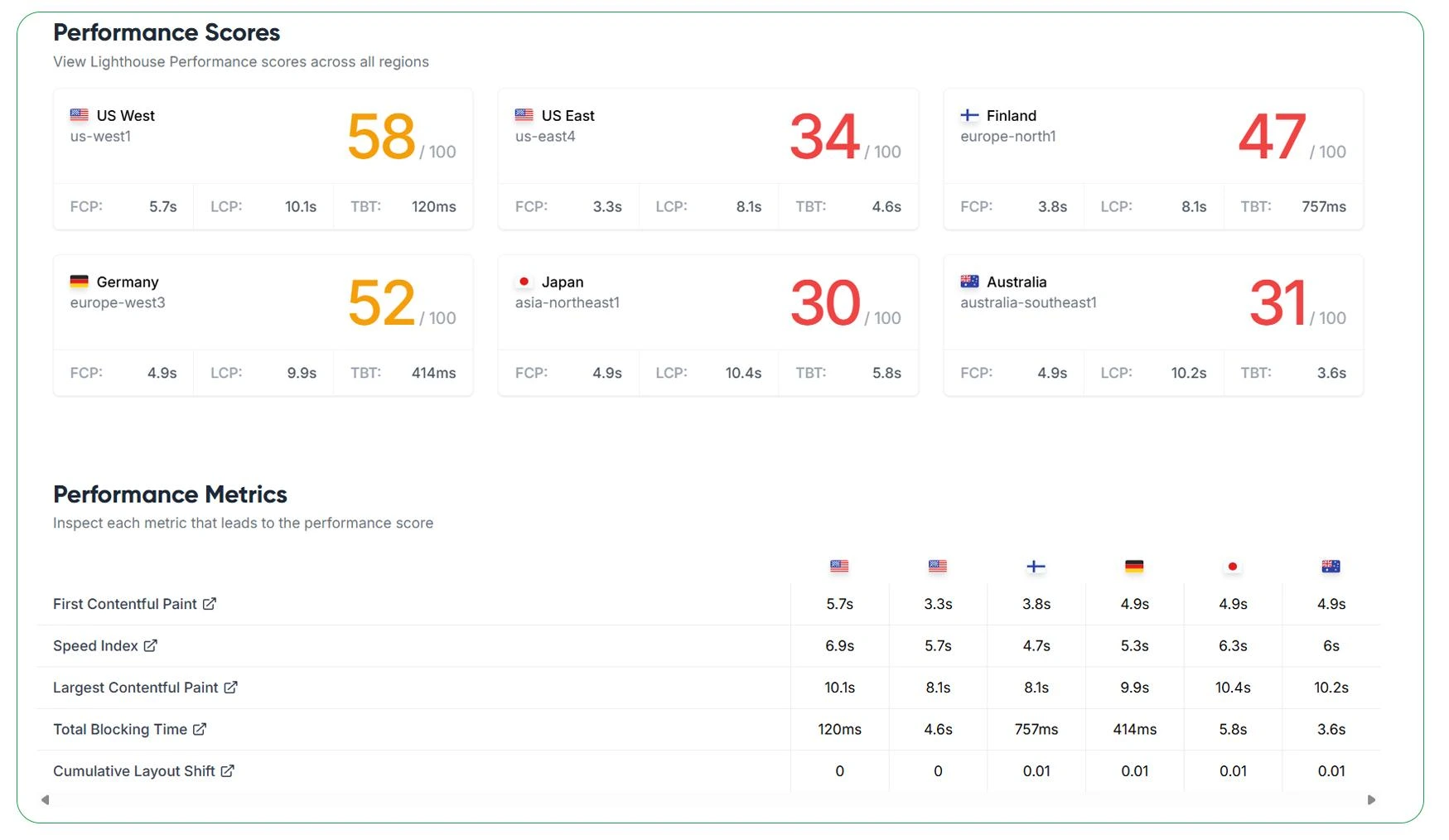
Google favors the mobile version of your site in search rankings as of October 31, 2023. If the site is difficult to read, tap or navigate on a mobile device, you are going to get lower rankings and lose customers. So your job must be to take a test of your site on a real phone once in a while instead of always using a desktop browser emulator to see how it looks. This makes a huge difference.
Use Google Search Console’s mobile usability reports and test pages manually on real mobile devices. to find out if there is anything you can just change that would improve things like tiny text, close together links, and buttons. Simple changes with a huge impact.
Crawl Errors
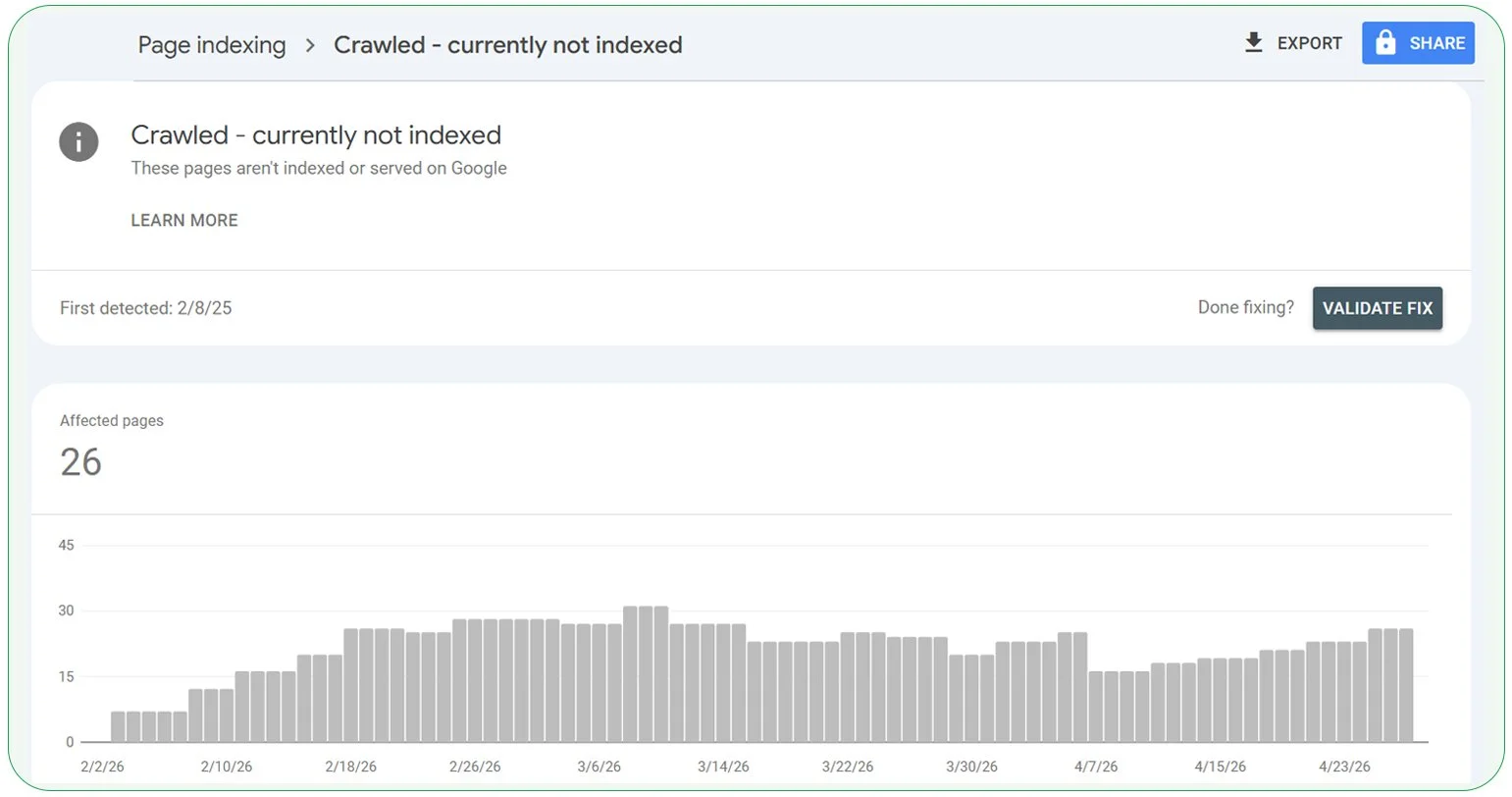
When Google’s bot tries to visit a page and fails, that is called a crawl error. 404s (page not found) are the most common, usually caused by deleted pages without redirects or simple typos in links. Too many of them waste crawl budgets and signal neglect.
You must fix 404s with 301 redirects pointing to the most relevant page. If the page was deleted by mistake, just bring it back. Remember, duplicate content is another crawl problem that hurts your rank by confusing Google and also impacts visitors.
For two different URLs showing the same or similar content (whether it’s print pages, tracking parameters, or www & non-www versions), Google won’t know which to rank, so it will not rank either highly. Canonical tags fix this. You should choose one to use and set the canonical tag for it while redirecting the others to the canonical version.
XML Sitemap and Robots.txt
Sitemap and Robots.txt are both very important for helping search engines find, crawl, and understand your website correctly.
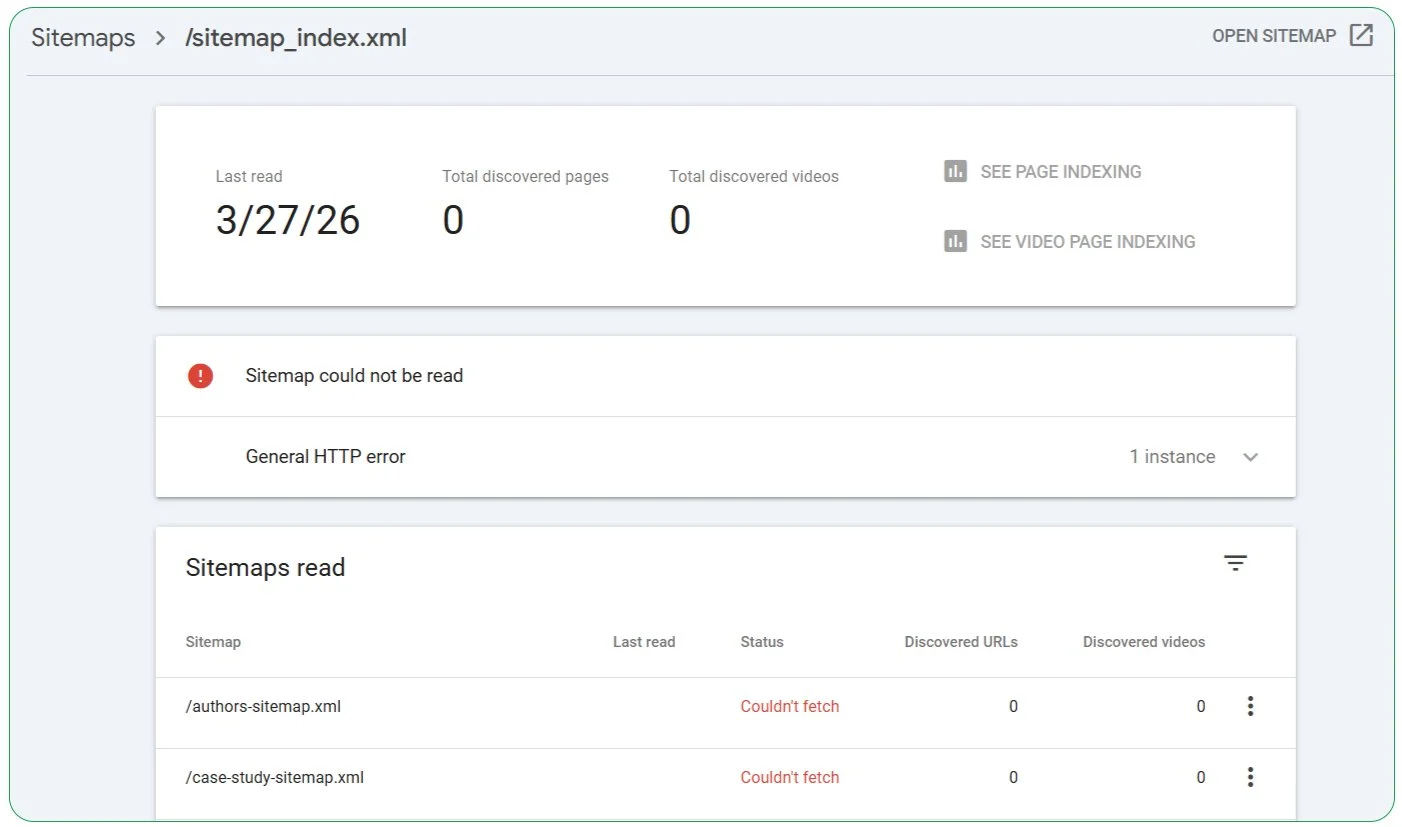
- Sitemap: Google will look at your sitemap and determine which pages to index. You need to keep an eye on your sitemap monthly and make sure it only shows your existing, indexable pages and nothing that is 404, redirects, or noindex.
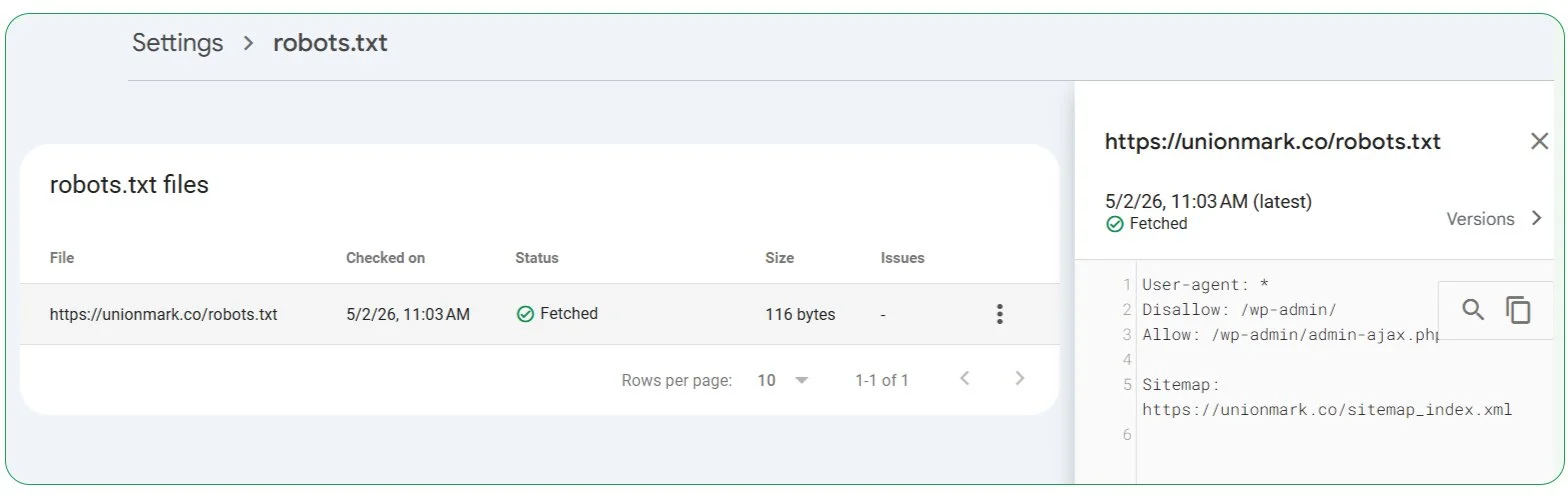
- Robots.txt: Robots.txt is a plain text file that takes place in the root directory of the website’s folder. This text file consists of some instructions about which part of your site should not be crawled by the Google bot. It mainly manages crawl traffic and prevents indexing sensitive duplicate pages.
2. Keyword Tracking and Optimization
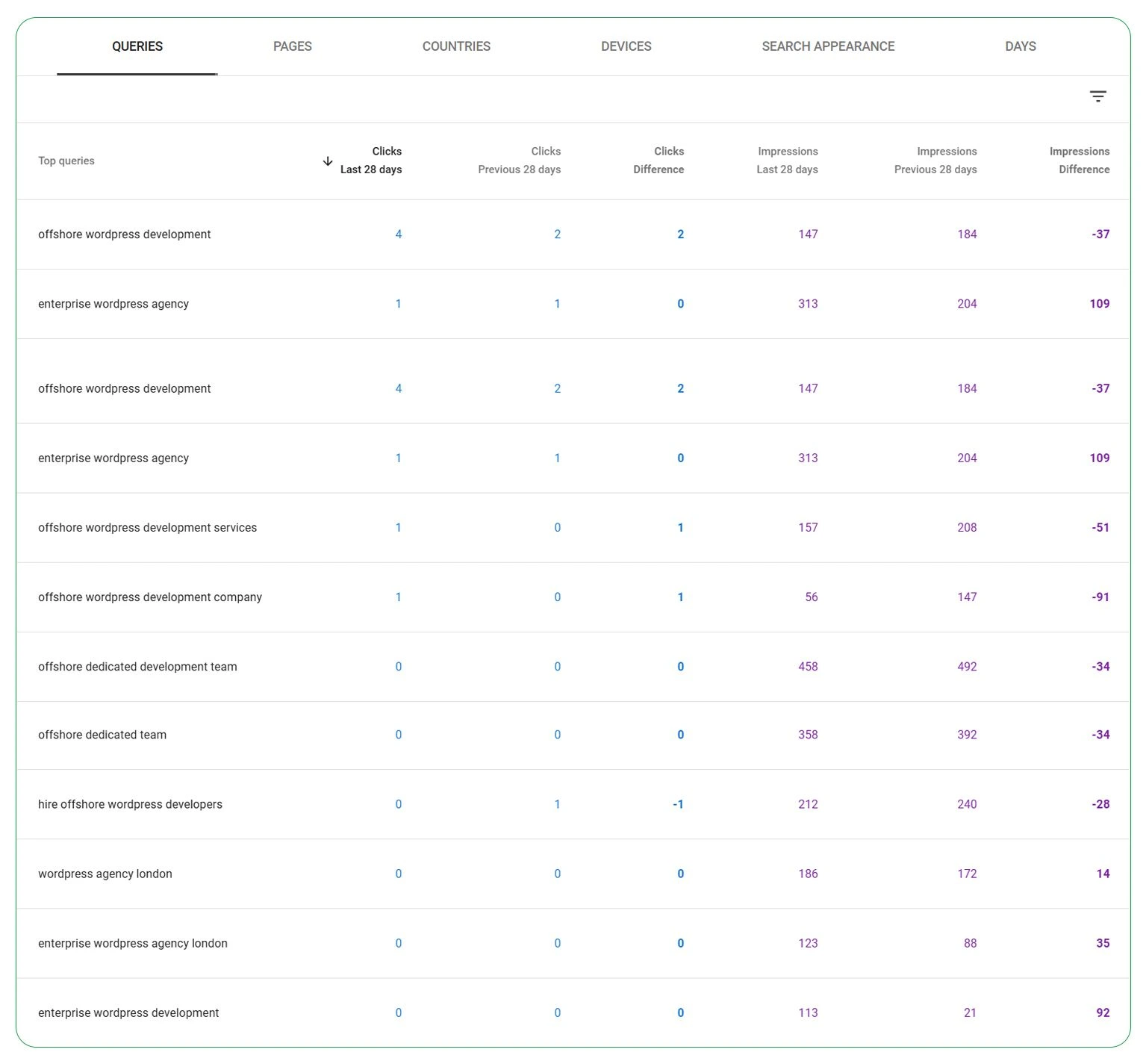
Rankings shift constantly, and tracking them tells you what is working before the results show up in your revenue.
Monitoring Rankings
First, select your top 20 to 50 essential keywords (not the fluff you check to see how well you place, but the keywords that actually bring you leads and sales), and then check once a week on where you rank in them. If a page you ranked 3 for drops down to 9, you need to know about that today, not next week. If you know it quickly you have a chance to regain the spot.
If your competitor learns about it slowly they settle in and keep in mind not to focus solely on short keywords, as long tail, more specific search terms convert sometimes a lot better, despite lower overall search volume.
Updating Your Keyword Strategy
Search behavior changes, new products emerge, old ones fade out, and the language people use also changes. After every three months, research Google Search Console and look at what terms you are already ranking for. You will find keywords that bring real impressions that you have never explicitly targeted. So build those out.
Also, look at search volume trends. If a term you have invested in is losing volume, redirect your energy toward what is growing.
Targeting New Opportunities
The “People Also Ask” boxes in Google search results are a goldmine for content ideas. As well as the comments on your blog posts, and conversations with your sales and support teams. They hear real customer language every day. So you can turn that into FAQs, new sections on existing pages, or entirely new blog posts. Every new piece of content is another way for someone to find you.
3. Content Updates and Optimization
Content is what actually ranks, so it needs to stay accurate, current, and genuinely useful.
Refreshing Old Posts
Any post more than 12 months old deserves a look. You should update stats, replace dead links, and add examples that reflect the current state of things. A post titled “Best Accounting Software for 2023” is not going to win now, so it’s better to rewrite it for the current year and add whatever’s actually changed.
Refreshed content often outperforms brand-new content. You are building on an established page with existing authority, not starting from zero.
Adding New Sections and Data
Search intent progresses, so a trending gadget-related post from a few years ago probably does not cover topics that are popular now. So add new sections, a comparison table, a short how-to, or an updated statistic. More depth of your content helps you rank for more related terms and keeps people on the page longer, both of which Google rewards.
Improving Readability and Structure
Big paragraphs in your blog kill engagement. If your content still looks like a college essay, it needs restructuring. You should break ideas into shorter parts and use H2s and H3s so readers can scan easily or find the one they are interested in quickly. Then you can add bullet points where things naturally form a list. More importantly, write clearly, not dumbed down, just direct.
If someone can find the answer they need in under 30 seconds of scanning your page, you have done it right.
Internal Linking
Whenever you publish or update an individual post, model it to include links to two to five other relevant pages within your own website. Use meaningful descriptive anchor text and internal linking so users can browse while Google can both comprehend your page hierarchy and pass equity to the pages that require it. Finally, it is very important (High importance) to check broken internal links on a monthly basis.
4. Backlink Management
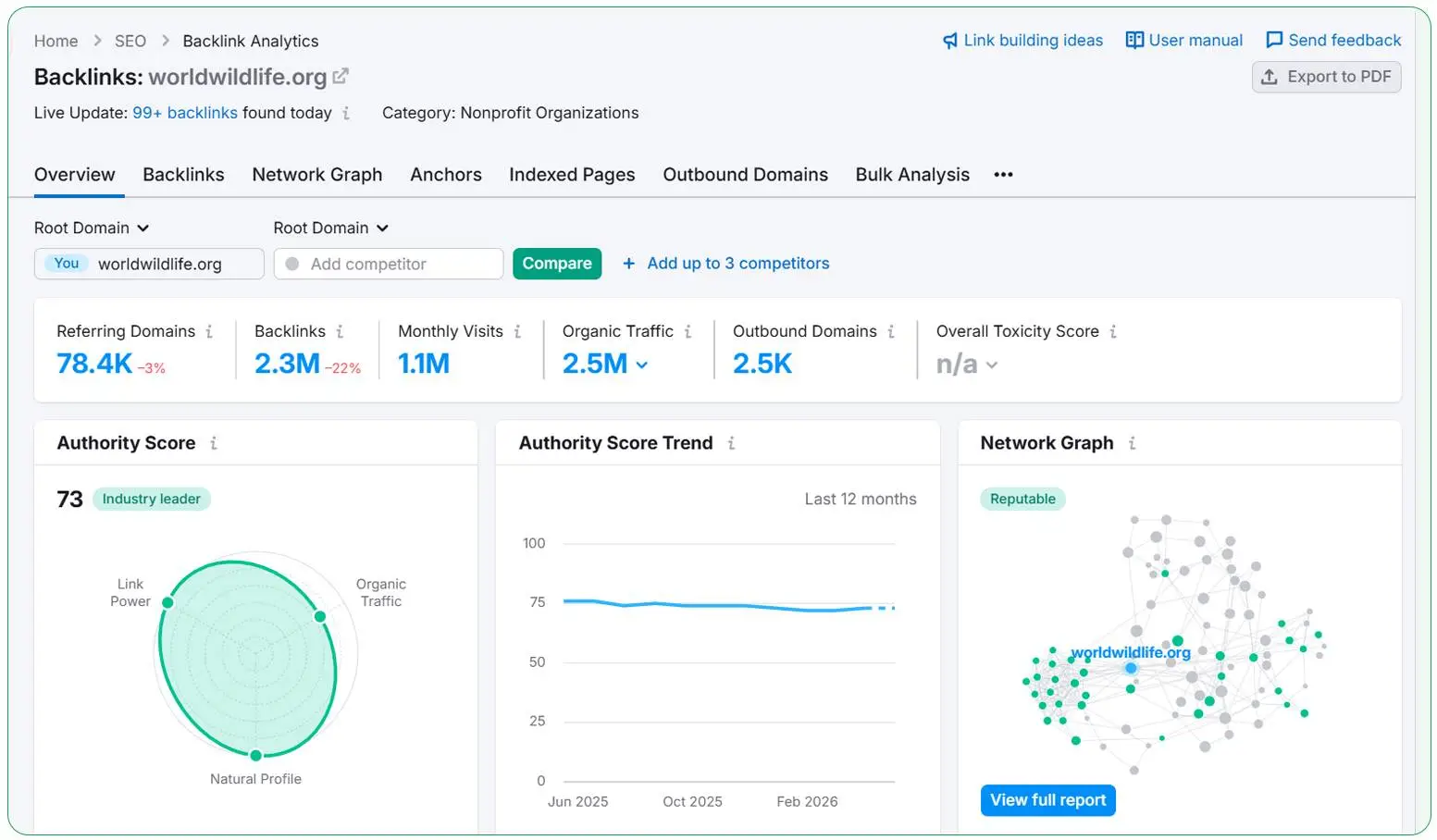
Links from other websites are one of the strongest ranking signals. Managing them, such as both earning good links and removing low-value or irrelevant links, deserves regular attention.
Monitoring Your Backlink Profile
Every month use an SEO software to verify new links, because it is really valuable to have a link from a top-rated news site or a niche blog but it is just the contrary to have one from a spammy directory or a foreign spammy site. If you notice an unexpected increase in very low-quality links you should analyze that immediately.
Removing Toxic Links
For clearly harmful links, start by emailing the site owner and asking for removal, and it’s normal that many of them will not respond. If that is the case, use Google’s Disavow Tool, but use it carefully because it’s a very advanced tool, and it may damage your site if not executed properly. Only disavow links you are genuinely confident are hurting you, but if you are in doubt, leave them alone.
Building Quality Links
The right way to get others to link to your site is simply to create something worth linking to. That might be original research, a free resource that addresses a topic really well, an extremely useful tool, or a local guide that people actually bookmark and return to. When you eventually publish something really worth doing, get in touch with collaborators and suppliers, and local newspapers. Tell them the presence there.
Most people will link to things that help them or their readers and give them a reason to. Yes, guest posting can still be done, provided the linking site is genuine and the content is truthful. What does not work is buying links. It seems like a quick way to boost rankings, but it’s not worth the danger and does not often work.
5. On-Page SEO Adjustments
On-page SEO is everything visible on the page itself that influences rankings and click-through.
Meta Titles and Descriptions
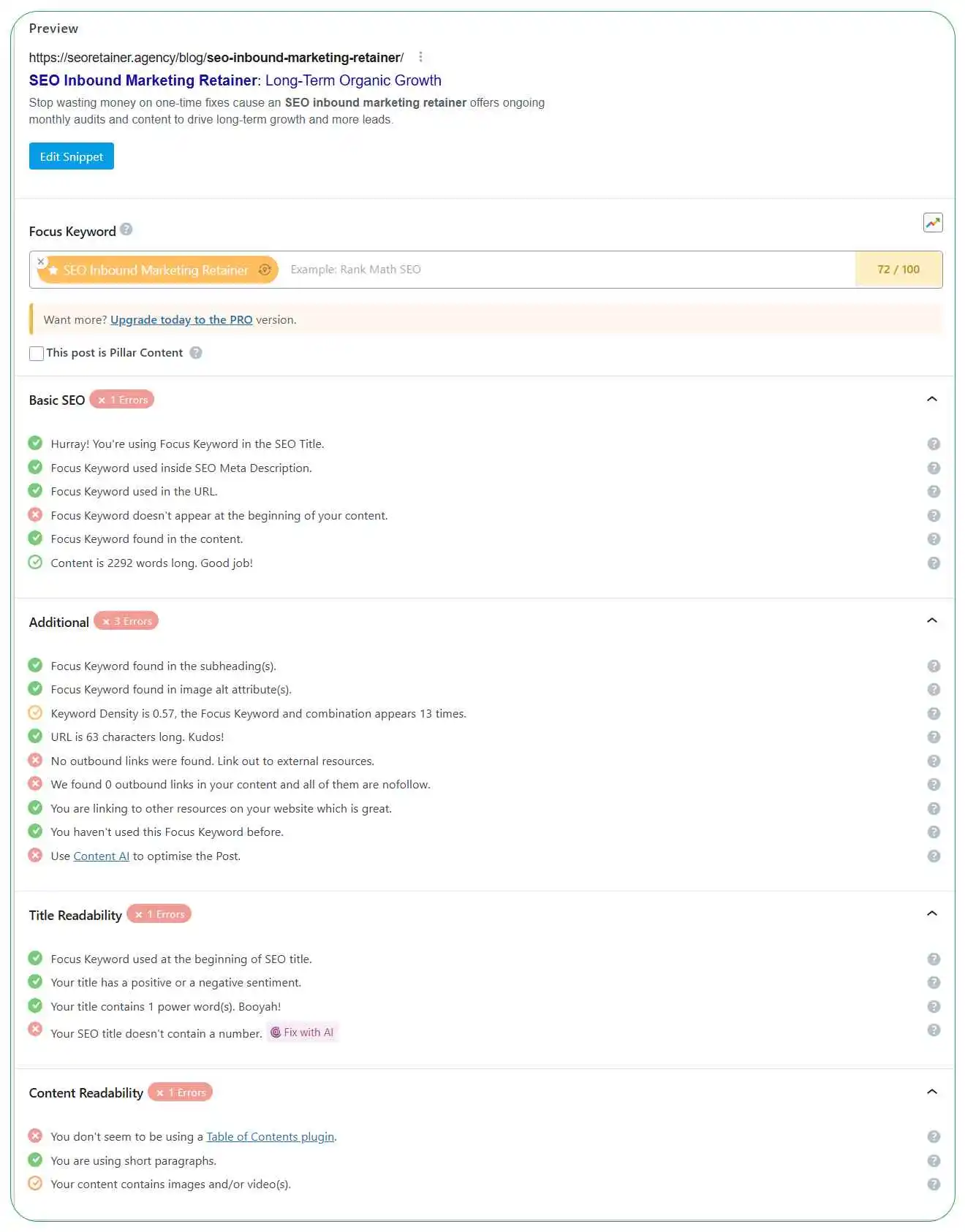
Your meta title is the blue link that is displayed in search listings. Keep it less than 60 characters, include your most important search term, and give a real person a reason to click, and right below is your meta description.
It doesn’t directly impact rankings, but it has a huge impact on click-through. Keep it short, below 160 characters, and attractive so people can relate and find a strong reason to click. You should refresh both every time you update content and when the search console displays a deep impression, low click page.
Header Structure
One H1 per page, and that is your main title. H2s for major sections and H3s for subsections. Implement keywords naturally into headers, but write them for humans first. The structure should make the page easy to navigate, not just to crawl.
Image Optimization
Large and uncompressed images are one of the most common reasons pages load slowly. Resize those images to the dimensions they will actually display at and compress before uploading. Every time name those images with something meaningful and relevant because it tells Google about the content, but something random tells nothing.
Add alt text to every meaningful image and keep it descriptive and honest. If an image is purely decorative, leave the alt attribute empty rather than stuffing it with keywords.
6. Local SEO Maintenance
Local SEO maintenance is important for businesses that serve a city, area, or nearby customers. It helps your business stay visible in local search and Google Maps. It also helps people trust your business before they call, visit, or book.
Google Business Profile allows businesses to update photos, offers, posts, reviews, and business information, and Google says creating a Business Profile is free.
Managing Customer Reviews and Responses
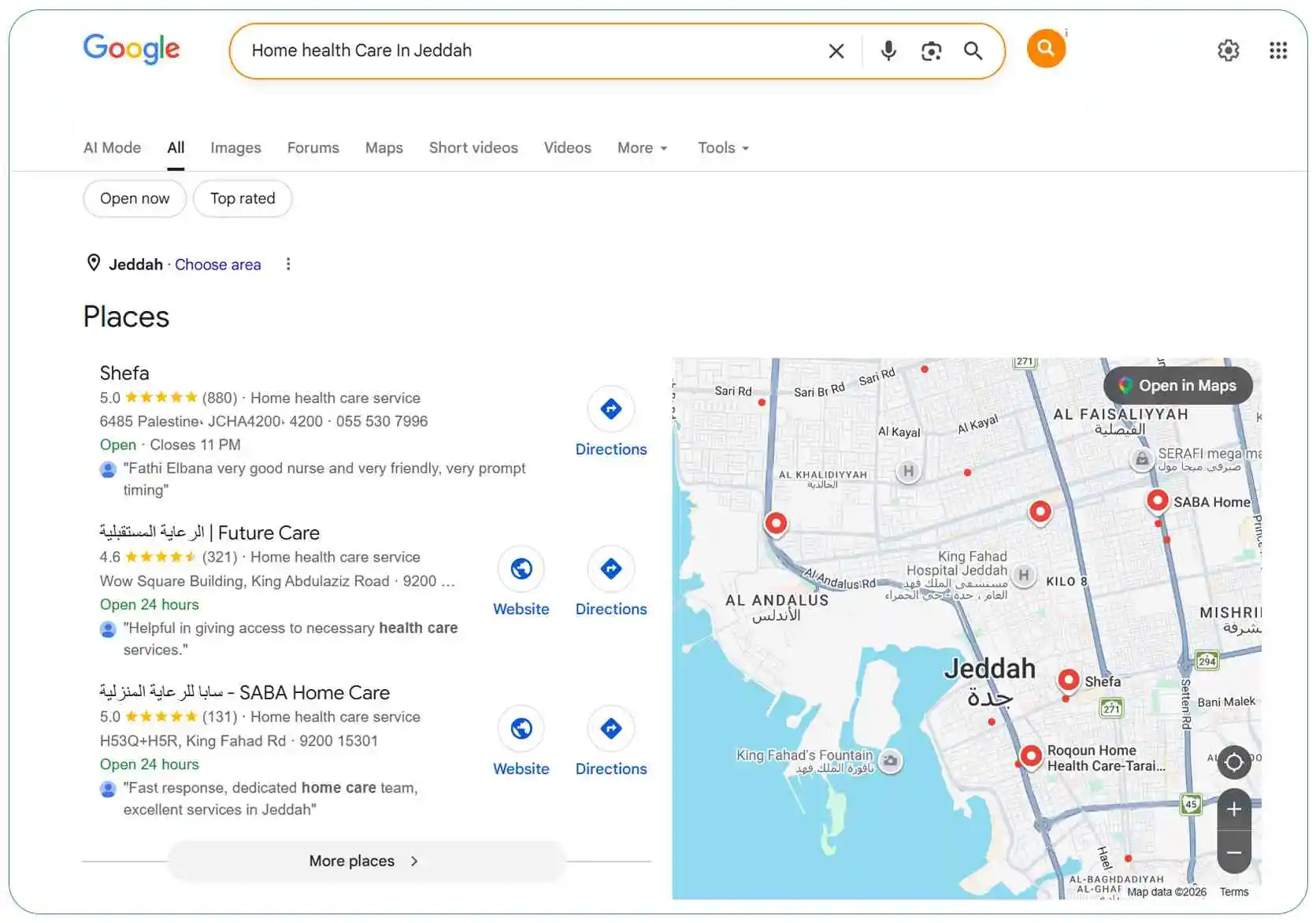
Reviews are very crucial because people read them before choosing a business. Replying to reviews shows that your company is active and cares about customers. Thank happy customers and respond calmly to negative reviews. Do not argue with any customer and keep replies simple, polite, and useful. Fresh reviews can also help your profile look active.
Tracking local keyword rankings
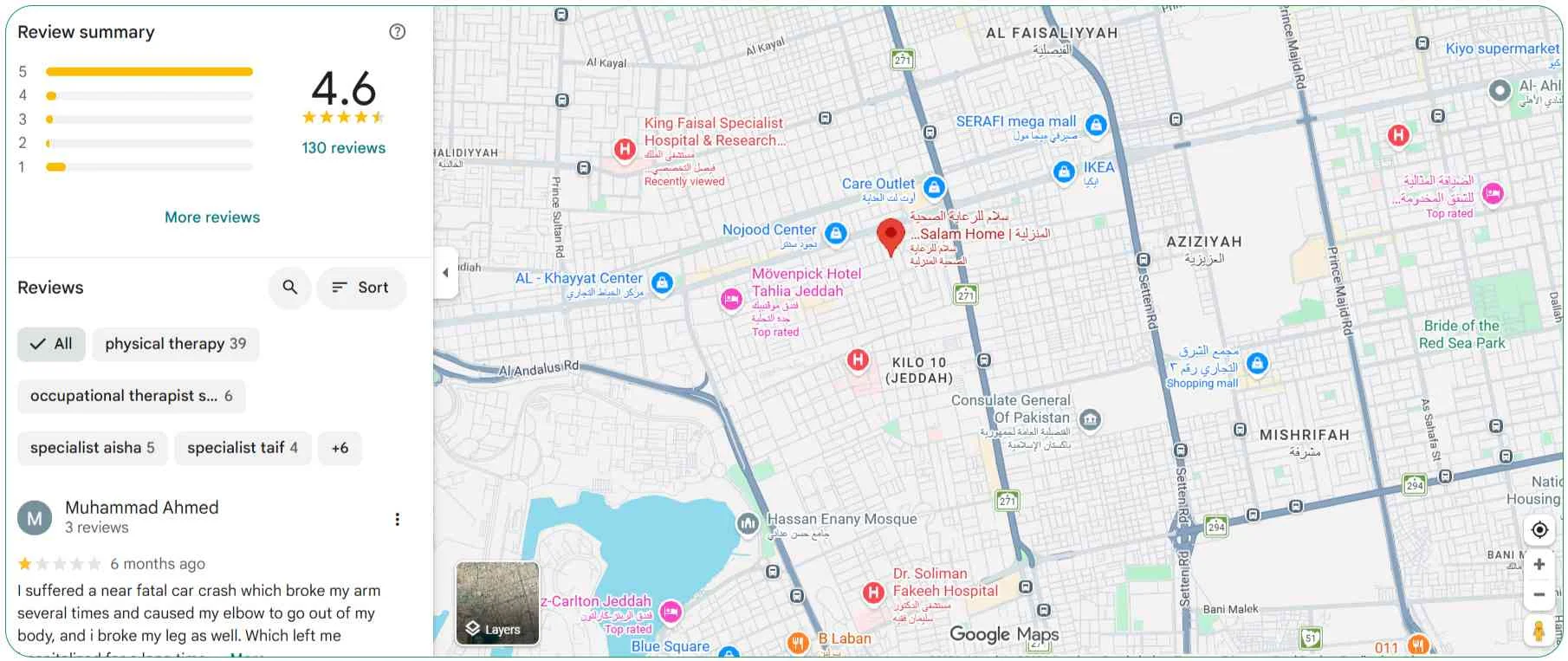
Local rankings can change from one area to another. A business may rank well in one city but not in a nearby town. So, tracking local keywords helps you see where you are visible and where you need more work. You can track service keywords with city names, nearby areas, and “near me” style searches when they fit your business.
Updating Google Business Profile regularly
Your Google Business Profile should not sit untouched forever. Keep updating information by the time.
Add:
- updates
- offers
- service changes
- new photos
- helpful business details.
Keep:
- Your name
- address
- phone number
- website
- Business categories
Accurate. Google says businesses can update details like address, hours, contact information, and photos to keep the profile accurate and up to date.
Adding Fresh Photos and Posts
Fresh photos help people see your business, team, work, products, office, or results. Posts can share offers, updates, events, news, or helpful notes. These updates make your profile feel alive and current.
Updating Business Hours During Holidays or Changes
Wrong hours can frustrate customers. If someone visits or calls when your profile says you are open, but you are closed, it can damage trust. Update holiday hours, special hours, and temporary closures early.
Monitoring Google Business Profile insights
Google Business Profile insights help you see how people interact with your profile. You can review actions like calls, clicks, direction requests, and profile views. Google says insights are based on public and location-based information, including reviews, photos, and local search trends. These numbers help you understand what is working locally.
7. Analytics and Performance Tracking
Tracking of your SEO maintenance is very important. If you do not track it, all you will know is whether you may feel that SEO is working or not. With the use of analytics, you make a decision on what is real.
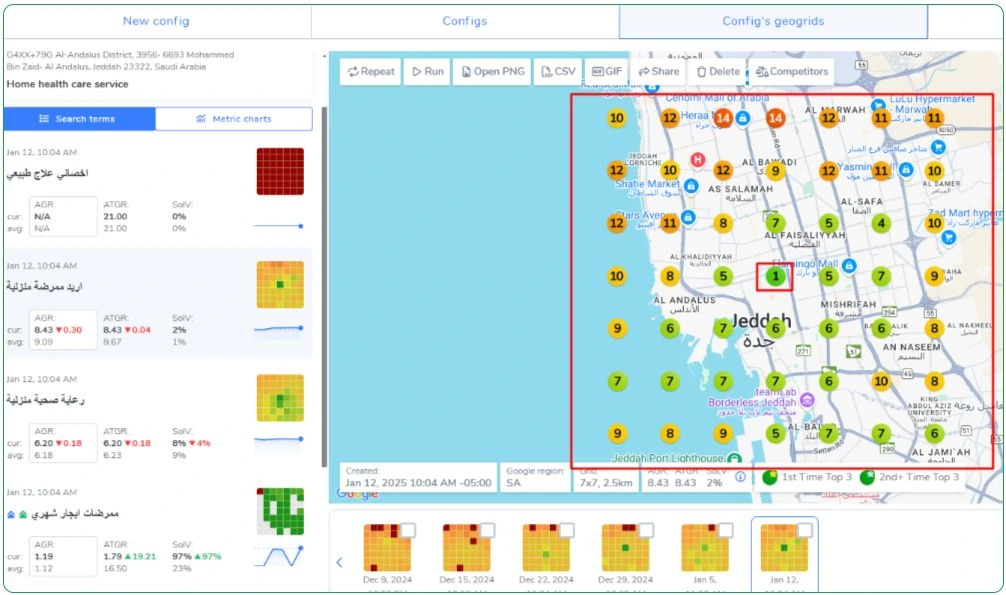
Using tools like Google Analytics & Search Console
Google Analytics and Google Search Console complement each other. Search Console displays how your site performs within Google Search. You can see clicks, impressions, keywords, index status pages, errors, etc. Google Analytics tracks visitors’ behaviors once they arrive on your site.
Tracking Traffic, Bounce Rate, Conversions
Traffic alone is not enough because a page can get many visitors, but no visitor may convert to leads. Another page may get fewer visitors but bring better calls, bookings, or sales. So you should track traffic, engagement, form fills, calls, purchases, downloads, and other key actions. This always helps you see which pages bring real business value.
Identifying Underperforming Pages
Underperforming pages are those pages that are not doing their job. Some of them may get impressions but get no clicks, and some get traffic but bring no leads. A few pages might rank on page two of SERP, and they need improvement. Some pages might have high exits because the content does not match what users expected. Your most important job is to find these pages and improve them one by one.
How to Perform SEO Maintenance Regularly
SEO is like taking care of a garden. You must water the plants and pull the weeds every day. If you stop, the garden will not look good. Your website works the same way. You need to check it often to make sure it works well. Good SEO maintenance helps more people find your site on the internet. It keeps your pages fast and clean so that everyone stays happy when they visit.
Daily Tasks
Daily SEO maintenance does not need to be heavy because you can do it fast. You should look at your site every morning to see if it is still online. Sometimes websites break, and you need to fix them right away. If you wait too long, you might lose visitors. So keep an eye on big changes in your traffic. If fewer people come to your site, find out why.
Daily Checklist:
- Look at Google Search Console for any big red alerts.
- Make sure all your important pages load very fast.
- Watch your main words to see if they are still at the top.
- Check if your website is live and working for everyone.
- Look for spam or bad links that do not belong there.
- If you see a problem, try to fix it before lunch.
- Small daily checks stop big problems from happening later.
- It is better to be safe than sorry with your site.
- Keeping notes on what you see helps you learn.
- Daily work makes the monthly work much easier.
Doing these quick checks helps you sleep better at night. You will know your site is running well for all your visitors.
Monthly Tasks
Monthly SEO maintenance should be deeper than daily work. This is when you look at the whole month to see what happened. You want to see if more people liked your site this month than last month. It is a good time to run a big test on your technical parts. This test tells you if your site has any hidden bugs.
Monthly Checklist:
- Run a full technical SEO audit to find errors.
- Review your keyword rankings to see your progress.
- Check the quality of your backlink profile.
- Look at which pages gained or lost the most traffic.
- Find content that is not doing a good job.
- Prepare a simple report to show your hard work.
- Show what improved and what dropped during the month.
- List what you fixed and what you will do next.
- Monthly checks turn guesswork into a clear, smart process.
- It helps you stay on the right path for success.
Looking at your data every month shows you where you are winning. It helps you decide what to do next to get even more visitors. So, an ongoing SEO maintenance approach, like a monthly SEO retainer, always wins over one-time projects.
Quarterly Tasks
Quarterly SEO maintenance looks at the bigger picture because this happens every three months. It is time to think about your long-term goals. You should look at all your pages to see if they are still helpful. Some pages might be very old, and you need to change them or delete them if no one reads them anymore.
Quarterly Checklist:
- Perform a full content audit of every single page.
- Find weak pages that do not help your business goals.
- Check for duplicate pages that say the same thing.
- Look at what your competitors are doing to win.
- Review your site structure to see if it is easy to use.
- Make sure your internal links still make sense.
- Adjust your big plan based on how the site performed.
- Look for long-term growth trends in your data.
- Make smarter decisions for the next three months.
- This keeps your website fresh and ready for the future.
Cleaning up your site four times a year keeps it fast and tidy. It makes sure every page has a reason to be there.
What Tools Are Needed for SEO Maintenance?
SEO tools help you find problems and track your progress. They help you make better decisions for your business. You do not need to buy every tool at once. Start with a few that fit your budget and your goals. Some tools are for fixing errors, some are for finding new words, and others are for tracking your links or making reports. Let’s take a closer look at the most useful and widely used SEO maintenance tools below.
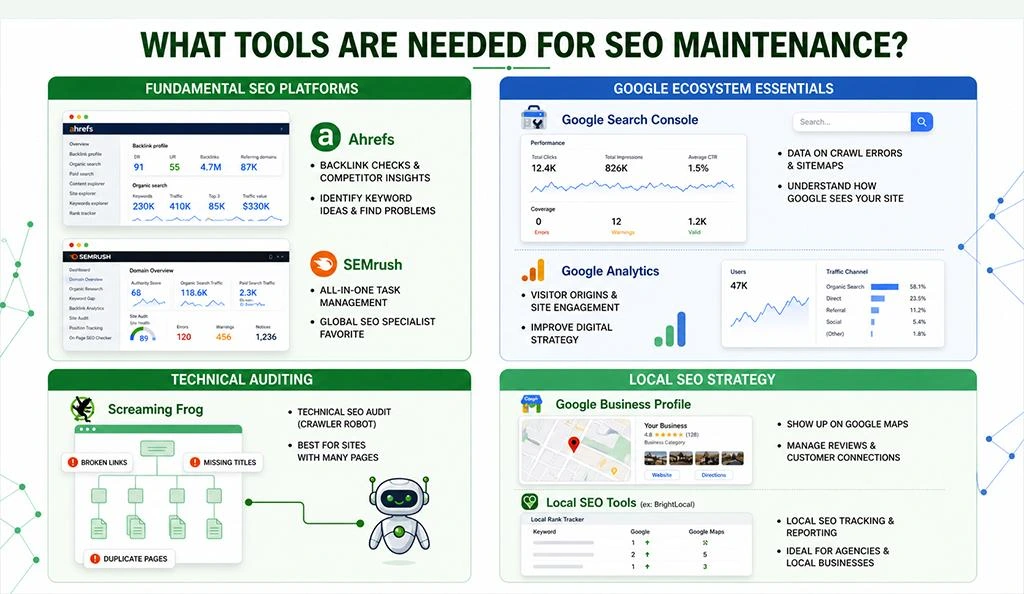
Ahrefs
Ahrefs is useful for backlink checks and keyword research. It helps you see what other websites are doing. You can find new ideas for your blog here. It also has a tool that checks your site for errors. Ahrefs says its website checker can monitor SEO health and find many problems. It is a very strong tool for people who want to grow.
SEMrush
SEMrush is a broad SEO and marketing tool. It can help with many things at one time. You can check your keywords and your backlinks. It also helps you look at your competitors. SEMrush is good for businesses that want one place for all their tasks. It supports rank tracking and content checks, too. Many SEO specialists like it around the world because it does so much.
Moz
Moz is another SEO toolset that people like to use. It helps you find keyword ideas and track your rank. It also checks for common SEO issues that might hurt your site. Moz is often used by teams that want simple data. It makes reports that are easy to read. If you want a tool that is easy to use, then Moz is a good choice.
Google Search Console
Google Search Console is one of the most important tools. Google made this tool, so the data is very good, and it lets you see how Google sees your website. You can check for crawl errors and see if your maps work. It also tells you if Google finds any problems. You should use this for every serious website you own.
Google Analytics
Google Analytics helps you understand what users do on your site and also shows you where visitors come from. You can see if they like your pages or if they leave fast. This tool helps you see if your SEO is bringing in real results. Google says this platform helps owners improve their digital strategy, and it’s definitely a great way to see your success.
Screaming Frog
Screaming Frog is a website crawler that acts like a robot. It goes through your whole site to find broken links. It can find missing titles and duplicate pages. This tool is very handy for a technical SEO audit. It can find hundreds of different issues. It is best for websites that have a lot of different pages.
Google Business Profile
Google Business Profile is a crucial element for local SEO. This tool helps your business show up on Google Maps. You can add your phone number, photos, and updates here. It also lets you talk to your customers through reviews. You can connect with customers and publish updates through GBP. Local businesses must check this every week to stay popular.
BrightLocal
BrightLocal is used for local SEO tracking and reporting. It helps you see how you rank in your city, and you can also track your reviews and your business listings. It is very beneficial for businesses that want to be seen nearby. It helps agencies track many different locations at once, and you can use this if you want to be the best business in your town.
SEO Retainer: Trusted Solution for Ongoing SEO Maintenance
At SEO Retainer, we manage all of your SEO work continuously, so you don’t have to worry about it. Instead of a one-time fix, we keep the work moving forward consistently. This is a smart choice for busy business owners who want results without the extra workload. We make sure your website always gets the attention it needs, so it always stays competitive and visible.
Benefits of ongoing SEO maintenance:
- We keep your site fast and updated.
- Our expert professionals will track your rankings and fix errors.
- We check your content and your links.
- You will get reports that show your growth.
- It saves you a lot of time and stress.
- You will know what is being fixed and when.
- It helps avoid repetitive work and keeps you growing.
This way of working is very safe for your business. It means someone is always watching over your site while you do other tasks.
We deliver transparent reporting on time regarding every single action taken on your site. You will always know what is happening with your site and why. We provide honest updates, clear data, and strategic advice that aligns with your actual business goals.
What ongoing SEO maintenance service providers do for your site:
- Retainers help you plan your budget for the year.
- You get an expert who knows all the newest rules.
- They can catch big changes in Google very fast.
- It builds a strong base for your online brand.
- Your website will be ready for more customers.
- The agency handles the technical stuff for you.
- You can focus on running your business instead.
- It is a long-term investment in your success.
- Good SEO pros want to see your business win.
- A retainer keeps your site healthy and strong.
Conclusion
SEO maintenance is what keeps your site in tip-top shape after the initial SEO work is complete. It helps sustain rankings, enhance traffic, resolve technical issues, refresh outdated content, monitor keywords, oversee backlinks, and analyze user behavior.
Your website also expands and changes. Failing to nurture it regularly can lead to minor issues increasing into system failures. The good news is that SEO maintenance should not seem overwhelming. So begin with the simple things and test your website’s health.
Maintaining your Google Business Profile must be done if you provide services to locals. If your website is critical to Lead generation, sales booking, or brand trust, then ongoing SEO maintenance is not optional. It’s a required part of your business’s online visibility.
Begin with a straightforward audit, resolve issues that matter most, and continue making gradual improvements over time. Ongoing SEO attention is how your website remains strong, valuable, and prepared for sustainable development.