

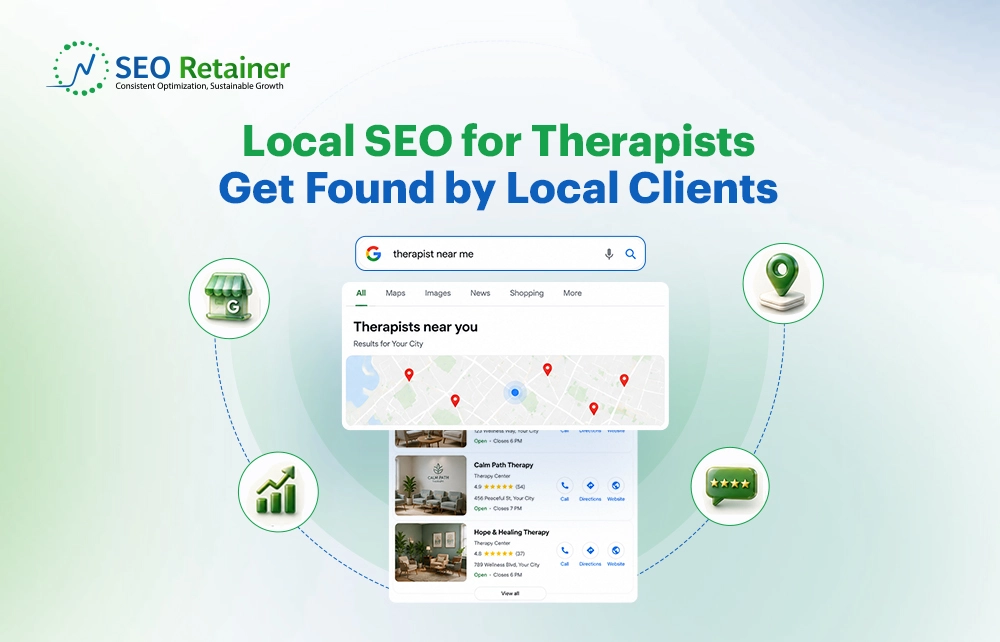
A potential client is searching for a “therapist near me” right now. Are you showing up? If your business profile or website is not showing up, then definitely someone else’s will, and that particular client will book them. This scenario is not hypothetical because it’s happening thousands of times every day in every city in every area.
Therapists specifically depend on local clients. Because trust and cultural understanding matter for local therapy clients. Even after the rise of telehealth, most of the clients still search for help within a 20-minute radius, preferring the security of a local expert who understands the specific environment.
The way patients find their therapists has changed because it used to be referrals and insurance directories. They are still working, but the main therapist’s findings have moved to search engines. Imagine someone dealing with anxiety at midnight, would the patient look for a directory or just type “anxiety therapist in NYC or near me” on the search engine like Google or Bing? The answer is as easy as clean.
According to Edweek.org, 65% of teens and young adults search online for behavioural health topics, and 90% of Americans use Google as their primary search engine.
In this discussion, we will talk step-by-step about local SEO for therapists, from setting up your GBP, right keywords to tracking performance, and more. Whether you are a solo practitioner, a group practice, or a telehealth-only provider, let’s start from the beginning.
What is Local SEO for Therapists?
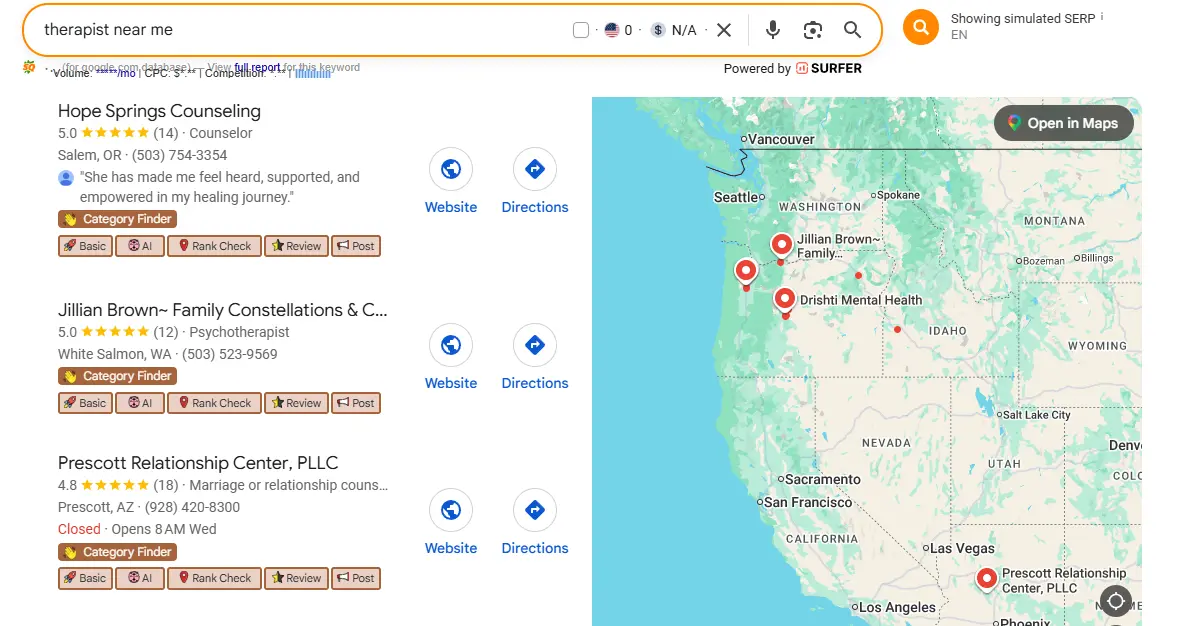
Local SEO for therapists is a process of appearing in local searches when nearby clients are looking for therapy, counseling, mental health support, or a specific type of therapist in their area. General SEO helps your website show up on Google for broader searches, no matter where the person is searching from, but local SEO is different.
It helps your business show up for therapy clients or patients searching in your area. So if someone is searching from Florida, Google shows them the available therapists from Florida, not from Mississippi.
Let’s see the difference between General SEO and Local SEO in a table for a clearer idea.
| Feature | General SEO | Local SEO |
|---|---|---|
| Main Goal | Ranking for broad topics across the country or the world. | Ranking for searches in your specific city or neighborhood. |
| Who Sees It? | Anyone searching for general mental health information. | Potential clients physically located near your office. |
| Key Tools | Blog posts, high-quality articles, and broad backlinks. | Google Business Profile, local reviews, and map listings. |
| Search Example | What are the symptoms of social anxiety? | Social anxiety therapist in {{Your City}}. |
| Best Result | Appearing in the standard list of web links. | Appearing in the Google Map Pack (the Top 3 map results). |
Key focus areas of Local SEO for therapists:
- Google Maps visibility: When someone searches for a therapist, the search engine shows a map with 3 local businesses at the top. So if your local SEO is executed in the best way, then you have possibilities to rank among these 3 positions. And your Google Business Profile is the way that takes you there.
- Local pack ranking: Top 3 profiles with a map appearing in Google search, which we have talked about in the above point, is called Local Pack. Most of the clicks and local patients come to a therapist from there. So if you are not there, a large number of clients will not come to you.
- Location-based keyword optimization: These are simple phrases such as “therapist in Denver” or “couples counseling in Brooklyn”. Using them on your website tells Google where you work and who you help. So it shows your practice to the right people.
Why is Local SEO Important for Therapists and Mental Health Professionals?
79% of patients check online reviews before choosing a healthcare provider, such as therapists. A more crucial thing is, according to the Tebra survey, 53% of them do not even consider a healthcare provider with below 4-star ratings. If a patient calls your therapy office, then they must have checked your online presence.
In the recent past, most patients used search engines to find the answer to their primary question and to look for a therapist. The directory lookup tradition does not work anymore. 56% of patients now turn to Google first when searching for a provider. They search and read the top results, reviews, and then they book, often without ever visiting a directory at all.
Now, let’s see why therapists need a local SEO:
- Get found by people ready to book: most of the patients who search “therapist near me” are not browsing. They are ready to take action, so Local SEO puts you in front of them at exactly that moment.
- Fill your caseload consistently: Referrals come and go, but Local SEO brings in a steady flow of new inquiries every month, without relying on anyone else to send clients your way.
- Build trust before the first call: Showing up at the top of Google with good reviews makes you look credible. Most clients have already decided they trust you before they even reach out.
- Stay ahead of other local therapists: Most therapists in your area are not doing local SEO well. Starting the local SEO earlier can give you an advantage that increases your patient count over time.
- Attract the right clients: Local SEO lets you target specific searches like “trauma therapist in Denver” or “teen anxiety counseling in Chicago”, so the people finding you already need exactly what you offer.
If your practice is not showing up in those Google results, you are invisible to the majority of people actively looking for a therapist right now.
How Local Search Works for Therapists?
When someone searches “therapist near me,” they usually see two things: the Google map pack (map Pack) and organic results. The map pack shows the top 3 nearby therapists with a map, while organic results are standard website listings below.
Google ranks local results depending on the three main factors,
such as:
- Relevance: How well your profile matches the search
- Distance: How close you are to the people who are searching
- Prominence: Your reputation, reviews, and online presence
A study shows that around 93% of local searches display a Map Pack, and the top 3 listings can capture over 40% to 60% of the clicks.
The local search journey is very simple. A potential customer or a patient searches “therapist near me”, checks reviews, profiles, and then calls to book an appointment. This is where Google Business Profiles play a crucial role by prodigy them contact info, services, reviews, and location.
Ranking on Google Maps depends on profile optimization, consistent details, and strong reviews. Searches like “near me” have grown 150% faster than general searches in recent years & these searches signal high intent, which means users are ready to take action.
Google Business Profile Optimization for Therapists
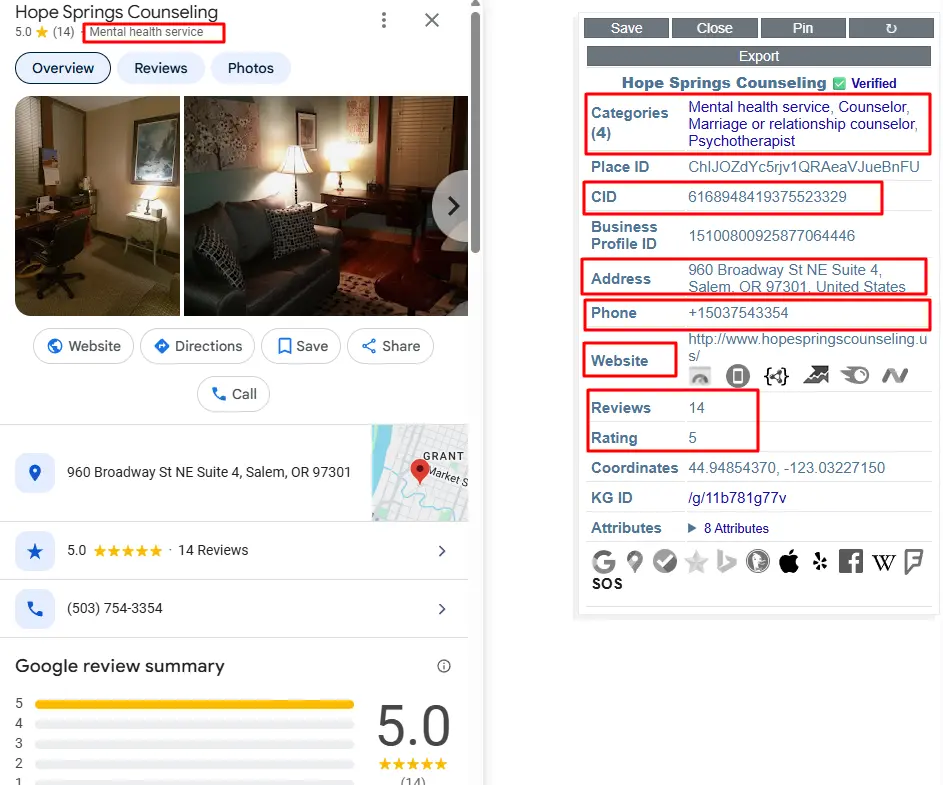
Your Google Business Profile (GBP), formerly known as Google My Business (GMB), is the single most powerful free tool for getting found by local clients in your area. Let’s see how to set it up the right way in the step-by-step process.
How to Claim and Verify Your Google Business Profile
If you don’t have a profile yet or if you have one but you don’t own it then you must claim it to control your information.
Step-by-step process:
1. Sign In: Go to Google Business Profile and sign in with the professional Google account you want associated with your practice, and then click on “Start Now”.
2. Add Your Practice: Enter your business name and category of your business, then click on the button “Next”.
3. Physical Appreciation: In this step, you will be asked to enter yes/no if you have a physical business location or not. For you, it will be a yes.
4. Target Area: “Where do you serve your customers?” This question will appear, so enter your target location.
5. Enter Location: Input your physical office address. (Note: If you are 100% virtual, Google’s 2026 guidelines are stricter; you typically need a physical space or to list as a “Service Area Business” with a hidden address. And then enter your phone number, chat number, and website(optional).
6. Verification: Google will ask you for an address verification. If you choose it to verify later as well.
7. Business Hours and description: Now add your business hours and then your business description.
8. Storefront Photos: Now add some photos of your practice, so patients can see your place and get some trust.
Now you are all done. If you have skipped any step, fill them up and verify your location, then Google will allow you to show up in the search results.
Choosing the Right Business Category
Your primary category is the most influential ranking signal on your entire profile, so choose it carefully.
Best primary categories for therapists:
- Psychotherapist
- Mental Health Service
- Counselor
Example: So if you mainly deal with anxiety and depression, your first category should be psychotherapist, then counselor. And a mental health clinic can be your secondary category. You should not choose ambiguous choices like a health consultant. Because Google requires a direct match to display you in the search results.
Writing a Keyword-rich Business Description
You will get 750 characters to write a business description. Use those characters to describe who you help, how you help patients, and where you are located. In 2026, Google’s AI also uses your description to answer conversational queries like “Who is the best trauma therapist for adults in Denver?”
Example: {{Business Name}} provides experts {{Speciality}} and {{Speciality}} in {{Location}}. We specialize in helping adults navigate {{Specialities}} in a safe, welcoming environment. Whether you are searching for individual counseling or couples therapy, our licensed team is here to support your mental wellness journey. Located in {{Location}} near the {{Landmark}}.
Note: only the first 250 characters are typically displayed in the search preview before the user clicks on the More option.
Adding Services, Hours, and Appointment Links
Services: Add an offering specifically & include a short description and a price range.
- Example: Couple counselling, 50-minute session, $250 to $300.
Hours: You should keep this section updated always, especially for holidays. If you provide wrong information, then clients will go to your competitors because of harassment.
Appointment link: Add your scheduling link because it creates a clickable button that reduces for the clients.
Uploading Photos (Office, Headshot, Team)
Profiles with photos receive 42% more direction requests, so for therapists, photos build trust and a sense of safety before a client ever speaks to you.
What to upload:
- Headshot: upload a warm, approachable photo with profession BG.
- Office exteriors: This helps your client feel familiar with the location before reaching.
- The Room: Waiting room or internal office photos create a sense of trust in a safe environment in the client’s mind.
Your target should be uploading at least 10 photos and refreshing them every few months to show your activity to Google.
Using Google Posts to Stay Active
Google Posts are like a mini blog, and they are visible in Google searches. They do not expire after every 7 days, but if you post after every 2 weeks, then your profile will look updated and active.
Post Types:
- Updates: We are now open for appointments on Sundays
- Offers: Free consultation for new clients
Example: Feeling overwhelmed? We are accepting new clients for{{Spacility}} sessions in {{Location}}. Evidence-based CBT approaches. Book your free consultation today {{Link}}.
Managing the Q&A Section
Anyone can ask and answer questions on your profile. Proactive management ensures the information is accurate.
Strategy: Check your Q&A weekly, answer promptly, and add your own FAQs to control the narrative.
Example Q&As to add yourself:
- Q: Do you accept insurance?
- A: We accept Aetna and BCBS. We also offer a sliding scale for self-pay.
- Q: Do you offer online therapy?
- A: Yes, we offer secure telehealth sessions across the state.
Always maintain professional boundaries. If a client asks a personal question, direct them to a private contact method to ensure HIPAA compliance.
Keyword Research for Therapists
Keyword research is finding words or phrases that are being searched by your target audience. So, through keyword research for your practice, you can create content that your therapy clients or patients are searching for on the internet. Without a proper keyword search, your well-written content will not drive visitors because people are not searching for what you are publishing. And that is why keyword research is the foundation before any content or optimization
Types of Keywords Therapists Should Target
Therapists should target different keyword types because patients and therapy clients search in different ways. Some people search by service, some search by location, condition, and some by online therapy options.
Service-based
Service-based keywords describe specific methods or modalities you use to treat your clients. They are used by people who already know what kind of help they are looking for. Let’s take a look at the example below of some high-quality service-based keywords for therapists.
Example:
- anxiety therapy
- couples therapy
- trauma therapy
- family counseling
- grief counseling
Local keyword
These are the crucial keywords for attracting clients who live in your area and want to visit a therapist’s office. Those keywords help those local clients find you online. Local keywords include a city, neighbourhood, or phrases like “near me”.Let’s see some examples of local keywords.
Examples:
- therapist in Chicago
- anxiety therapist near me
- couples counseling in Austin
- trauma therapist Brooklyn
Condition-base
These condition-based keywords focus on problems or symptoms that the specific clients are facing. A lot of people search for tier problems before searching for solutions. Condition-based keywords contain specific mental health issues, disorders, or life challenges.
Examples:
- therapy for anxiety
- depression counseling
- PTSD therapy
- grief therapy
- stress management therapy
Telehealth-specific
Many clients prefer the comfort of their own homes, so these keywords target people who specifically want remote or virtual care. Telehealth-specific keywords include terms like via video call, phone, or online platform.
Examples:
- online therapist
- virtual therapy
- online anxiety therapy
- telehealth counseling
Branded
Branded keywords are used by people who already know about you. They might have seen your business card or heard about you from someone. Those keywords include your specific name, the name of your practice, or your unique brand identity.
Examples:
- {{Practice Name}} therapy
- {{Therapist Name}}, counselor
- {{Clinic Name}} reviews
Blog keyword
Blog or informational keywords are used by people who are looking for a specific answer, advice, or education. Those types of visitors are not always ready to book an appointment, but they want to learn. Most of those keywords are question-based or educational phrases used to find information. Blog keywords build trust in your brand and drive them toward your sales funnel.
Examples:
- How to manage anxiety
- signs you need therapy
- What to expect in therapy
- How couples therapy works
Free Keyword Research Tools Therapists Can Use
To start researching keywords, you do not need expensive tools at the beginning. Free tools are also very useful to find high-value keyword ideas, search trends, and common client questions. Let’s take a look at some tools that are mostly used to research keywords.
Useful tools:
- Ahrefs (Free version)
- SEMrush (Free version)
- Ubersuggest (Free version)
- Google Autocomplete
- People Also Ask Section of SERP
- Google Keyword
- Google TrendsPlanner
- Google Search Console
- Google Business Profile Insights
How to Do Keyword Research for Therapists?
Keyword research makes sure that you are creating content for real people who are actually searching for. This should be a guessing game, like what people might search for. Let’s see how you can do it.
- Start With Your Services: List your specialties, the issues you treat, who you serve, and your location. These become your seed topics.
- Think Like Your Client, Not a Clinician: Your clients do not search in clinical language. They type things like “why do I worry about everything” or “therapist near me for anxiety.” Always write in an easy-to-understand way so all kinds of people can understand your content.
- Use the Right Tools: Starting with free tools is always recommended, like Google Autocomplete, the People Also Ask section of SERP, and free versions of tools like Ubersuggest, Ahrefs, etc are powerful starting points. When you are starting out, you can go for the premium version of tools like Ubersuggest, Ahrefs, or SEMrush, which give you search volume and competition data.
- Prioritize Local & Intent-Based Keywords: Most of the therapists get clients through local SEO. Target phrases like “anxiety therapist in {{city}}” or “online therapist in {{state}}.” Also, match keywords to intent and use informational keywords for blog posts and transactional keywords for service pages.
- Map Keywords to Pages: Give every keyword a dedicated home. Your homepage targets your main local keyword, service pages target each specialty, and your blog handles broader questions.
Keyword research does not have to be too much. Once you know what your ideal clients are typing and searching for, everything, such as your content, your pages, and your SEO, clicks into place.
We have already done the research for you. In the next section, we are sharing high-potential keywords for therapists ready for you to use.
SEO keywords for Therapists ( Example & Download file)
In this section, we are sharing a curated list of SEO keywords specially for therapists. These keywords are selected to help you attract the right audience, such as people actively looking for therapy services, mental health support, or to answer their problems. These keywords help you grow both traffic and conversions. Below, you will see a keyword table that includes search volume (SV), keyword difficulties (KD), and intent.
| Keyword | Volume | KD | Intent |
|---|---|---|---|
| therapist near me | 90,500 | 75 | Transactional |
| anxiety therapist near me | 22,200 | 68 | Transactional |
| depression therapist near me | 18,100 | 66 | Transactional |
| couples therapy near me | 27,100 | 70 | Transactional |
| trauma therapist near me | 14,800 | 64 | Transactional |
| marriage counseling near me | 33,100 | 72 | Transactional |
| child therapist near me | 12,100 | 65 | Transactional |
| grief counseling near me | 8,100 | 61 | Transactional |
| family counseling near me | 7,200 | 59 | Transactional |
| PTSD therapy near me | 6,700 | 59 | Transactional |
| therapy clinic near me | 6,100 | 60 | Transactional |
| licensed therapist near me | 9,900 | 63 | Transactional |
| best therapist near me | 8,600 | 66 | Commercial |
| mental health therapist near me | 7,400 | 61 | Transactional |
| local therapist near me | 3,700 | 55 | Transactional |
| online therapy | 60,500 | 72 | Commercial |
| online therapist | 49,500 | 71 | Commercial |
| best online therapy platforms | 13,500 | 68 | Commercial |
| online couples therapy | 11,800 | 65 | Commercial |
| online anxiety therapy | 9,200 | 63 | Commercial |
| virtual therapy sessions | 8,100 | 52 | Commercial |
| mental health counseling | 12,100 | 60 | Commercial |
| CBT therapy | 5,400 | 57 | Commercial |
| anger management therapy | 9,000 | 60 | Commercial |
| stress management therapy | 4,800 | 54 | Commercial |
| therapy for anxiety | 14,000 | 65 | Informational |
| therapy for depression | 12,500 | 64 | Informational |
| therapy for panic attacks | 7,300 | 60 | Informational |
| therapy for trauma | 8,400 | 61 | Informational |
| therapy for social anxiety | 5,100 | 56 | Informational |
| therapy for burnout | 4,300 | 54 | Informational |
| therapy for stress | 5,700 | 55 | Informational |
| how to know if you need therapy | 8,900 | 59 | Informational |
| signs you need therapy | 10,200 | 61 | Informational |
| what does a therapist do | 7,800 | 58 | Informational |
| how therapy works | 6,900 | 56 | Informational |
| is therapy worth it | 9,500 | 60 | Informational |
| how to choose a therapist | 8,100 | 59 | Informational |
| first therapy session what to expect | 7,200 | 57 | Informational |
| why do I feel anxious for no reason | 14,500 | 64 | Informational |
| how to stop overthinking | 18,000 | 66 | Informational |
| how to deal with anxiety naturally | 12,000 | 62 | Informational |
| how to improve mental health | 16,000 | 65 | Informational |
| benefits of therapy | 11,200 | 60 | Informational |
| how to calm anxiety fast | 13,000 | 63 | Informational |
| symptoms of anxiety disorder | 20,000 | 67 | Informational |
| signs of depression in adults | 15,000 | 64 | Informational |
| what causes anxiety | 18,500 | 66 | Informational |
| how to fix sleep anxiety | 6,200 | 58 | Informational |
| how to reduce stress quickly | 9,800 | 61 | Informational |
| can therapy help anxiety | 5,600 | 55 | Informational |
| how long does therapy take | 4,900 | 53 | Informational |
| online mental health support | 6,400 | 58 | Informational |
| virtual counseling services | 3,600 | 52 | Commercial |
| video therapy sessions | 2,700 | 49 | Commercial |
| telehealth therapy near me | 2,900 | 50 | Transactional |
| cognitive behavioral therapy near me | 6,600 | 58 | Transactional |
| teen counseling near me | 5,900 | 58 | Transactional |
| affordable therapy near me | 4,200 | 55 | Commercial |
| low cost therapy near me | 3,800 | 54 | Commercial |
To make things easier, we have also prepared a downloadable keyword sheet.
We did not pick those keywords from AI, a published document, or guesswork. We used a structured research process with SEO experts to make sure they are accurate and useful for your therapy center.
How we researched these keywords:
- Analyzing real search queries from Google Autocomplete
- Studying People Also Ask questions
- Using tools like Ubersuggest for volume and difficulty insights
- Reviewing competitor websites’ ranking for therapy-related searches
- Analyzing search intent to understand what users actually want
On-Page SEO: Optimizing Your Therapy Website for Local Search
Getting found on the internet is important for therapists, and the way your site looks with content also matters so much. Let’s take a look at how you can do on-page SEO for your therapy website.
Website structure: A good website is like a clean house. Each room has a name. Your home page is the front door. Other pages show your services. When your site is easy to walk through, people stay longer. If your website is well organized with proper page names, then your therapy clients and Google can find them easily.
SEO-optimized title tags and meta descriptions: Title tags are the blue links on a search page, and meta descriptions are the short notes below them. Use your city name in the title, then write a friendly note to help people click, and proper title tags improve click-through rates by over 50%.
- Using local keywords naturally in your page content: Use words or phrases that tell where you are located. Say things like “counselor in my town” and talk like you are speaking to a neighbor. Do not just list words, make them fit into your stories so they feel kind and real.
- Header tags: Header tags are big, bold words, and they tell readers what comes next. They act like signs on a road and help readers find the right part of your page fast.
- Internal linking: This means adding links from one page to another on your website. If you talk about stress, link to your help page. This helps people find more answers on your site.
- Image optimization: Photos make your site look nice, but don’t keep random names and formats for those images. Give your photos names that use local words and make sure the photos are small files and converted to WebP so the page opens fast.
- Adding schema markup for therapists (LocalBusiness schema): This is a special code for computers. It tells search engines your address and phone number, and works like a digital map for your office. Using the LocalBusiness schema has a huge impact on local visibility. It helps you show up when people search for help nearby.
Creating Local Content That Attracts Clients to Your Practice
Good content is an asset for your website because it keeps bringing traffic to your site consistently. Those solution-centric and educational contents create trust in the therapy clients’ minds, even if they call you. Let’s see how you can create content that works for your therapy practice.
Content Ideas for Therapists
You do not need to write everything you know about therapy. Just focus on what clients care about, or what they look for online.
You can keep content like:
- Blog posts: Topics like how to manage anxiety or signs you need couples counseling.
- FAQs: Answer common questions like how does therapy work? Or what should I expect in my first session?
- Client guides: Simple pages explaining what you treat and who you help
- Local topics: Write about mental health resources in your city or stress tied to local life
Well-researched, fresh, helpful, and human-written content keeps your site active because Google can easily identify real content and messy AI content with no proper information.
Service Area Pages
Service pages help you get found by local clients. Don’t just include all your branches on a single service page. This is always ideal to keep the branch and specific criteria-wise different service pages with key details.
A good service area page includes:
- The city or area name used naturally
- What services do you offer there
- A short line about the community you serve
- Your contact details and a map link
These pages tell Google exactly where you work.
How to Write Content That Answers What Your Clients Are Actually Searching for?
Think about what your clients type into Google. They do not search complex health terms like “cognitive behavioral therapy modalities,” right? What they search for is like “why do I feel anxious for no reason” or “a therapist near me for depression.”
Write the way your patient thinks:
- Use plain, everyday words
- Answer one question per page or post
- Keep paragraphs short and easy to skim
- Put the most helpful information at the top
When your content matches what people are already asking, Google shows it to more of them.
E-E-A-T (Experience, Expertise, Authoritativeness, Trustworthiness) in Health Content
Google keeps health websites to a high standard, and Google also wants to know that your content comes from a real, qualified person. Google measures those high-value and sensitive content with a framework which is called EEAT. This is a framework from Google’s search quality rater. E-E-A-T stands for Experience, Expertise, Authoritativeness, and Trustworthiness.
Here is how to show it:
- Experience: Share real insight from your work as a therapist and write like someone who has sat across from clients, not like a textbook.
- Expertise: Add your credentials to your website, such as listing your license, training, and specialties clearly.
- Authoritativeness: Try to get mentioned or linked to by other trusted sites, like local directories, therapy networks, and mental health organizations, which all help.
- Trustworthiness: Use a secure website (HTTPS) and show real reviews. It’s important to be clear about who you are and how to reach you.
E-E-A-T is not just about rankings; it’s about showing potential clients and Google that you are the real thing.
Local Citations: Why Your Practice Must Be Listed Consistently Everywhere?
A local citation is any online mention that shows your practice’s name, address, and phone number, which is called NAP in short form. It appears on directories, review sites, and health platforms, and each listing tells Google that this practice is real and located here.
Your NAP must look exactly the same everywhere, with the same spelling, same format, with no exceptions. When details don’t match, Google gets confused and pushes your practice lower in results.
According to BrightLocal’s Local Search Ranking Factors study, citation consistency directly influences map pack rankings. Whitespark’s research also places citation signals among the top local ranking factors every year. Even a small difference can hurt your visibility.
Top Directories Therapists Must Be Listed on
Start with these directories and make sure your information is accurate on every single one:
- Google Business Profile
- Psychology Today
- Yelp and Bing Places
- Healthgrades
- Zocdoc
- GoodTherapy
- TherapyDen
- BetterHelp
etc. Getting listed on all of these is not enough. The goal is to make sure every listing says the exact same thing about your practice.
How to Audit and Fix Inconsistent Citations?
An audit means checking all your listings and spotting the ones that are wrong or missing. Let’s take a look at the simple way to do it.
- Google yourself: Search your practice name and city, then look at every listing that shows up and write down what each one says.
- Use a free tool: Tools like BrightLocal, Whitespark, or Moz Local can scan dozens of directories at once and show you where your information is wrong or missing.
- Fix the big ones first: Start with Google Business Profile, Psychology Today, and Healthgrades because those platforms carry the most value.
- Correct the errors: Log into each directory and update your NAP to match exactly, and pick one format and stick to it everywhere.
- Check every few months again: Directories sometimes pull old data automatically, so a quick check every quarter keeps things clean.
How Do Citations Differ From Backlinks?
These two things are easy to mix up. They are both important, but they work differently. A citation is a mention of your practice’s NAP information. It doesn’t need to include a clickable link. It’s about your name and details appearing correctly across the web.
On the other hand, a backlink is a clickable link from another website that points to yours. It’s more about authority; the more quality sites that link to you, the more Google trusts your website overall.
Here is a simple way to think about it:
- Citations tell Google where you are and that you exist
- Backlinks tell Google how trusted and how relevant your site is
Both matter for local SEO, but for a brand-new therapy practice, citations usually come first because they build the foundation, and backlinks build on top of that foundation over time.
Reviews and Reputation: How Therapists Can Build Trust Online
Reviews do two powerful things for your therapy practice. The first one is that they help your practice rank higher on Google, and the second is to convince potential clients to contact you. According to BrightLocal, 97% to 98% of consumers read reviews before choosing a local business, and 71% to 82% of patients check them before booking a healthcare provider.
Google uses review quantity, rating, and recency as direct local ranking signals. As a therapist, always request reviews ethically, never in session, never with incentives, and always HIPAA-aware.
You should focus on Google Business Profile, Psychology Today, Healthgrades, and Yelp, and respond to every review professionally, positive or negative, without confirming any therapeutic relationship. A simple, consistent review system builds trust that no ad can buy.
Link Building for Therapists: Building Authority in Your Local Market
When other websites link to yours, Google treats it as a vote of confidence. These are called backlinks. The more quality sites that link to you, the more trustworthy your site looks and the higher it ranks in local search results.
Backlinks are links from other websites that point to yours. They signal trust and authority to Google. The more relevant, quality sites that link to you, the better your chances of ranking higher locally.
For therapists, backlinks build local authority. A link from a local newspaper, mental health organization, or community resource tells Google your practice is recognized in your area. That pushes you higher in location-based searches like “therapist in {{your city}}.” Backlinks also bring direct traffic, real potential clients clicking through without spending a dollar on ads.
Local Link-building Strategies Therapists Can Realistically Execute
Building local links is about making friends in your town. A typical local practice only needs 10 to 30 high-quality links to rank at the top. Since domain authority correlates directly with search rankings, these votes from other sites help you beat competitors.
Realistic strategies include:
- Joining your local Chamber of Commerce for a directory link.
- Writing a guest post for a local doctor’s blog.
- Sponsoring a community event or Little League team.
- Getting quoted in local news stories about mental health.
Quality matters most because one link from a local hospital is more powerful than 100 random links.
Technical SEO for Therapists
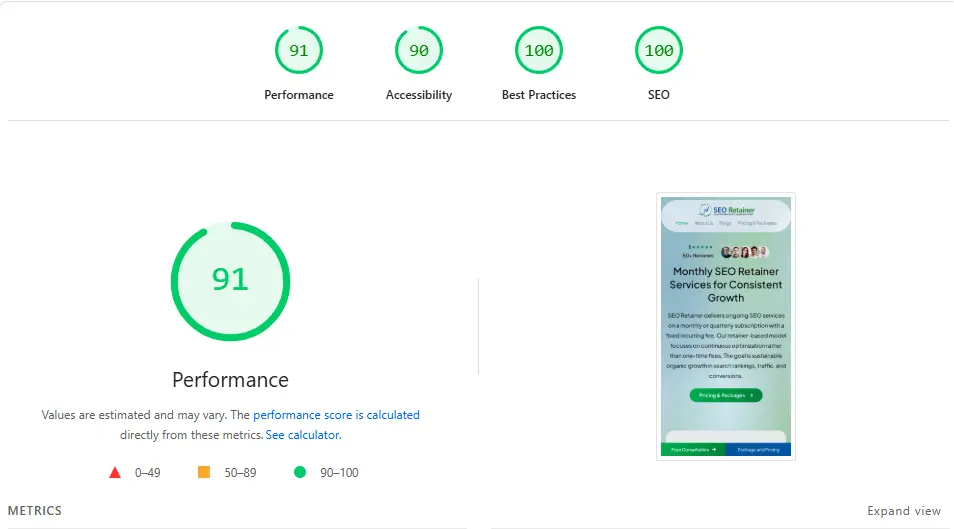
Technical SEO sounds complicated, but it makes sure your website works well, loads fast, stays secure, and keeps your site easy for Google to read.
Page Speed and Mobile-Friendliness: Your site must be fast and look good on phones as well. Your site should not take more than 3 seconds to load because fast sites keep readers engaged. About 60% of local searches happen on phones, so your site must be easy to read on a small screen.
HTTPS, Sitemaps, and Errors: Using HTTPS adds a padlock icon. It tells clients their visit is private and safe. Broken links are like stuck doors. Fixing them helps search engines read your site. An XML sitemap is a list of your pages. It helps Google find all your content fast.
Core Web Vitals: These are three scores for a smooth site:
- Loading: The main part of your page should show up in 2.5 seconds.
- Interaction: The site should react fast when a button is clicked.
- Stability: Words and buttons should not jump around while the page opens.
Never ever ignore your site’s technical SEO part because if your site consists of technical issues, then no content can make your site rank well.
How to Track Whether Your Local SEO Is Actually Working
You don’t need to measure every single number; just focus on numbers that connect directly to clients. The most important things are visibility and discovery, high-intent actions/ engagement, user behaviours like traffic, bookings, click-through rates, and technical health.
Key Metrics for Therapists to Track
Google Business Profile Insights: This is your first stop. Google Business Profile shows you exactly how people interact with your listing:
- Calls: How many people called directly from your listing
- Direction requests: How many looked up your location
- Website clicks: How many people visited your site from your profile
These three numbers tell you whether your local listing is actually driving interest, not just impressions.
Google Search Console: Search Console shows how your website performs in Google search:
- Impressions: How many times has your site appeared in search results
- Clicks: How many people actually visited your site
- Average position: Where your pages rank on average
Watch these numbers monthly. Rising clicks and improving position mean your SEO is moving in the right direction.
Google Analytics: Analytics shows what happens after people land on your site:
- Organic traffic: Visitors coming from search engines specifically
- Contact page visits: A strong signal that someone is considering reaching out
- Session duration: Are people staying and reading or leaving immediately?
A steady increase in organic traffic combined with more contact page visits is the clearest sign your content is working.
Keyword Ranking Positions: Track where your most important pages rank for local keywords like “therapist in {{your city}}” or {{anxiety counseling near me}}. Rankings fluctuate; that’s normal. But a consistent upward trend over several months confirms your efforts are paying off.
You don’t need to spend money to track what actually matters. Let’s see some free tools that are very useful for your SEO work.
- Google Business Profile Insights
- Google Search Console
- Google Analytics
- Google PageSpeed Insights
What Are Some Common Mistakes Therapists Make With Local SEO?
Every small mistake can quietly hold your practice back in local search, and eventually multiplying small mistakes makes a big mess in your ranking factors. Let’s see which are those common local SEO mistakes for therapists that you must avoid.
- Inconsistent NAP information
- Ignoring Google Business Profile
- Keyword stuffing
- No local keywords
- Slow website speed
- Not mobile-friendly
- Skipping schema markup
- No review strategy
- Ignoring negative reviews
- Broken links and crawl errors
- Duplicate content
- No internal linking
- Neglecting content updates
- Buying backlinks
- Not tracking results
Special Situations: Telehealth Therapists and Multi-Location Practices
Telehealth therapists face a unique challenge, working in a state without a physical office. The key is targeting state-level keywords like “online therapist in Texas” and creating dedicated service area pages for each city or region you serve. Your Google Business Profile should clearly indicate you serve clients online across the state, even without a storefront address.
For multi-location practices, each location needs its own Google Business Profile listing and a separate page on your website with unique content, never copied across locations. This prevents one location from competing against another, and this problem is called keyword cannibalization. Keep each page different in content, keywords, and local details to help Google rank each location independently and effectively.
How SEO Retainer Helps Therapists Grow Their Practice with Ongoing Local SEO
SEO Retainer is a subscription-based monthly SEO service built for long-term growth. Instead of treating SEO as a one-time setup, we help therapists improve local visibility month after month, so more people in their area can find their practice when searching for therapy, counseling, or mental health support.
For therapists, local SEO needs ongoing attention. Search results change, competitors update their websites, so Google Business Profiles need regular optimization, and new service pages or helpful content can improve visibility for different therapy-related searches. A one-time SEO project may fix the basics, but consistent work is what helps a practice keep growing.
Each month, SEO Retainer supports local service businesses like therapy practices with:
- Google Business Profile management to improve local search visibility
- Local keyword research and content creation based on what potential clients are searching for
- Technical SEO monitoring to catch website issues before they hurt rankings
- Citation building and cleanup to keep business information accurate across directories
- Link building to improve website authority over time
- Monthly reporting with clear KPIs so therapists can see what is improving
Our retainer model fits therapy practices because it keeps SEO simple and predictable. You get ongoing support for a clear monthly fee, with no surprise bills, no confusing one-off projects, and the flexibility to cancel anytime according to SLA compliance.
With more than 8 years of experience, 65+ projects completed, and a 100% client retention rate, we help therapists build a stronger local search presence through constant, practical SEO work.
Conclusion
The most effective SEO strategies for therapists are being consistent, local, and developing slowly. Firstly, you need to focus on refining your Google Business Profile. After that, you can back it up with other components of local SEO, such as keyword research, on-page SEO, writing and publishing therapy-related content, having accurate citations, client reviews, links of good quality, and clear performance tracking.
Setting up SEO once can provide some benefit, but it is not sufficient to maintain your visibility in competitive local search results. Google’s ranking algorithms are updating regularly, competitors are getting better, and your website requires new signals to continue growing.
If you invest in local SEO for your therapy practice today, you can start building visibility, trust, and a better flow of qualified inquiries faster. Every month you remain passive is yet another month a competitor will be ranked above you.